
The Vietnamese packaging printing industry is expanding at an astonishing rate.
According to the latest data, the value of the Vietnamese paper packaging market will reach 2.84 billion US dollars in 2025 and is expected to reach 4.92 billion US dollars by 2031, with a compound annual growth rate of 9.61%.
The entire packaging industry is growing at a 15%–20% annual compound growth rate, and the export volume has approached 774 million US dollars in 2024.
In such a high-growth market, Vietnamese packaging factories have an unprecedentedly urgent need to improve production efficiency and reduce reliance on manual labor.
I. Core efficiency bottlenecks faced by Vietnamese packaging factories.
Under the traditional production model, the labeling process in Vietnamese packaging factories generally has three major pain points:
Slow manual labeling speed.
skilled worker can complete the labeling of up to 30–50 products per minute, and as the working time increases, attention decreases, leading to an increase in the deviation rate of the labeling position.
In the face of large-batch orders, manual labeling often becomes the bottleneck of the entire packaging line.
Long changeover time.
Facing multi-variety, small-batch order patterns, manual adjustment of the labeling position and replacement of the label roll consume a lot of time.
Each changeover takes an average of 20–40 minutes, seriously affecting the overall utilization rate of the production line.
Continuous increase in labor costs.
As the Vietnamese manufacturing industry transitions towards a technology-intensive model, the problem of labor shortage is increasingly prominent, and the trend of replacing manual labor with automated equipment is irreversible.
II. How the flat-laying machine achieves a 2-fold efficiency improvement: Four technical dimensions
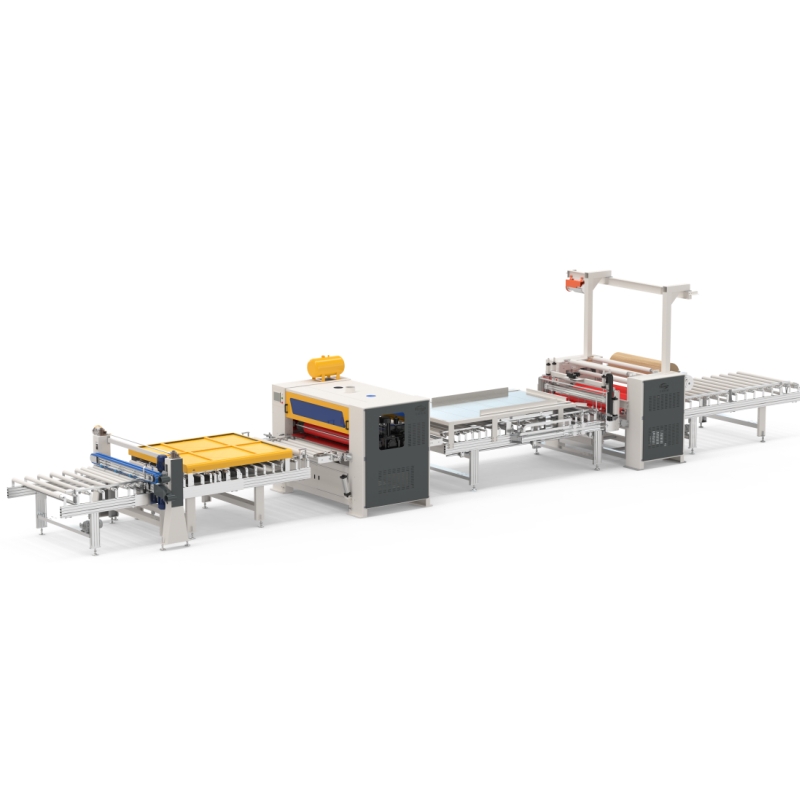
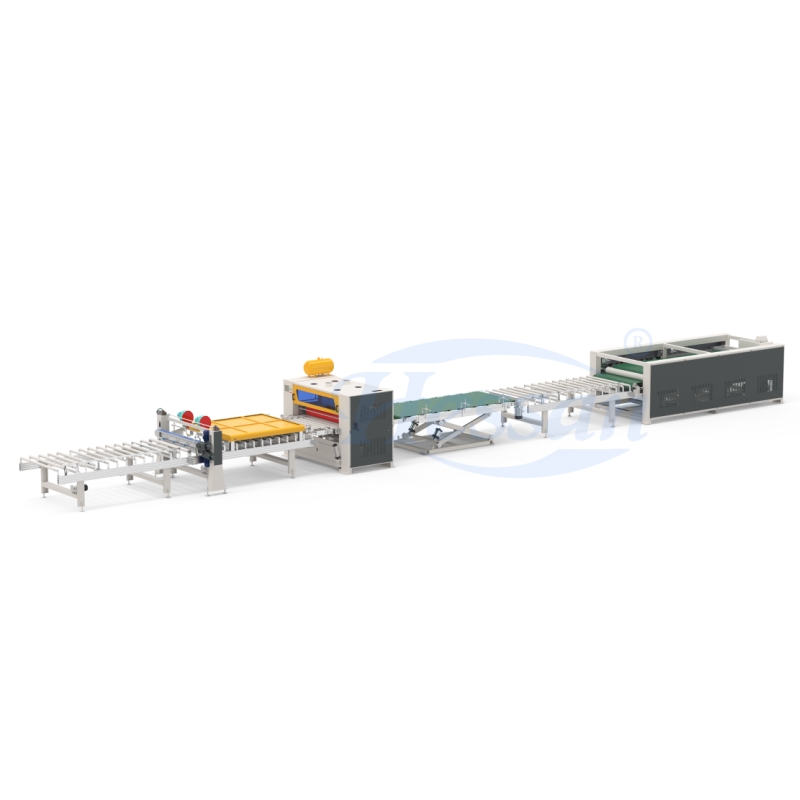
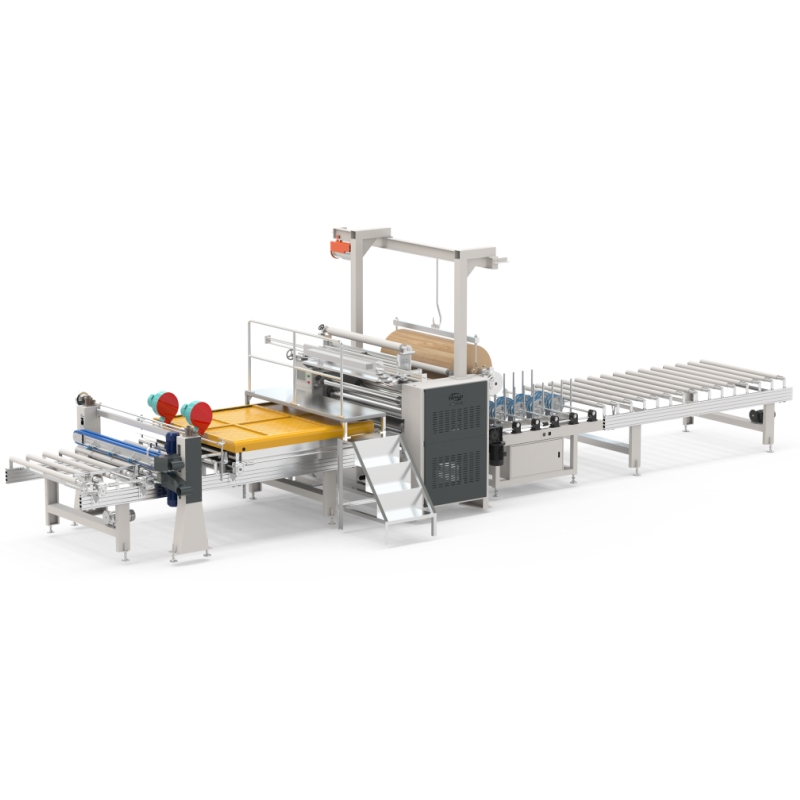
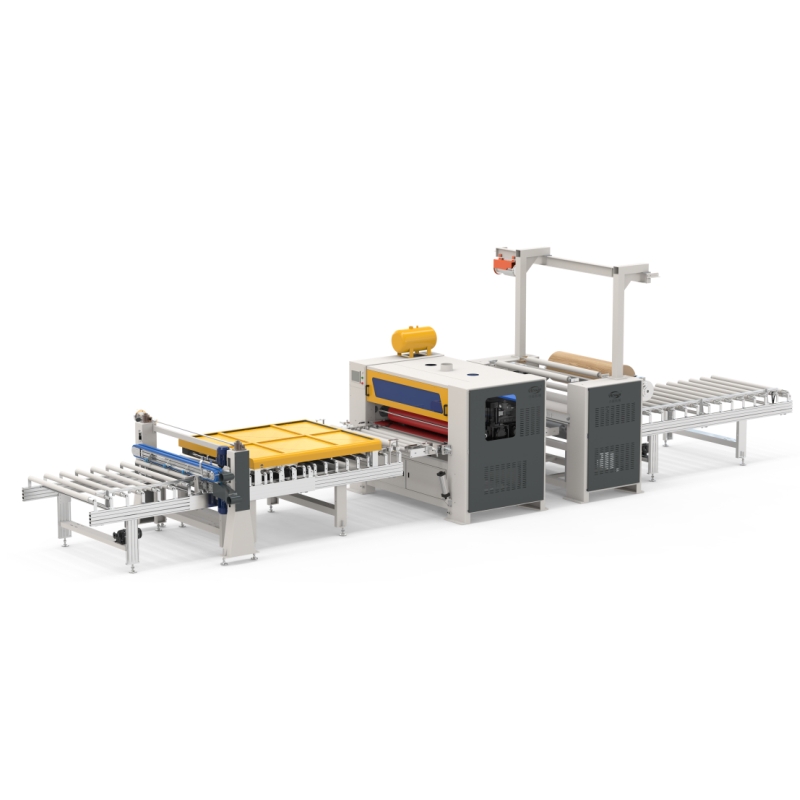
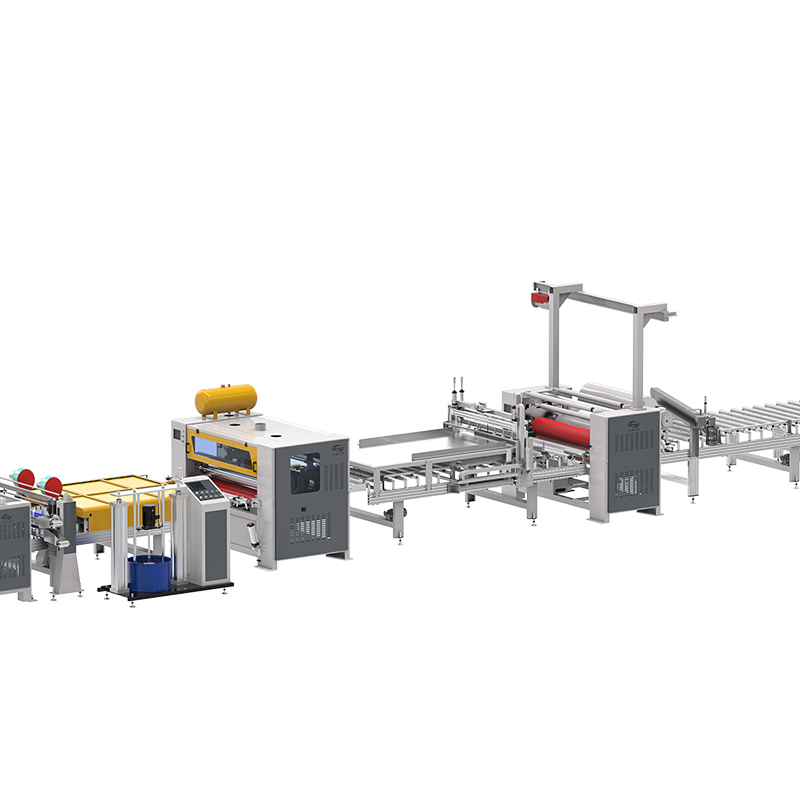
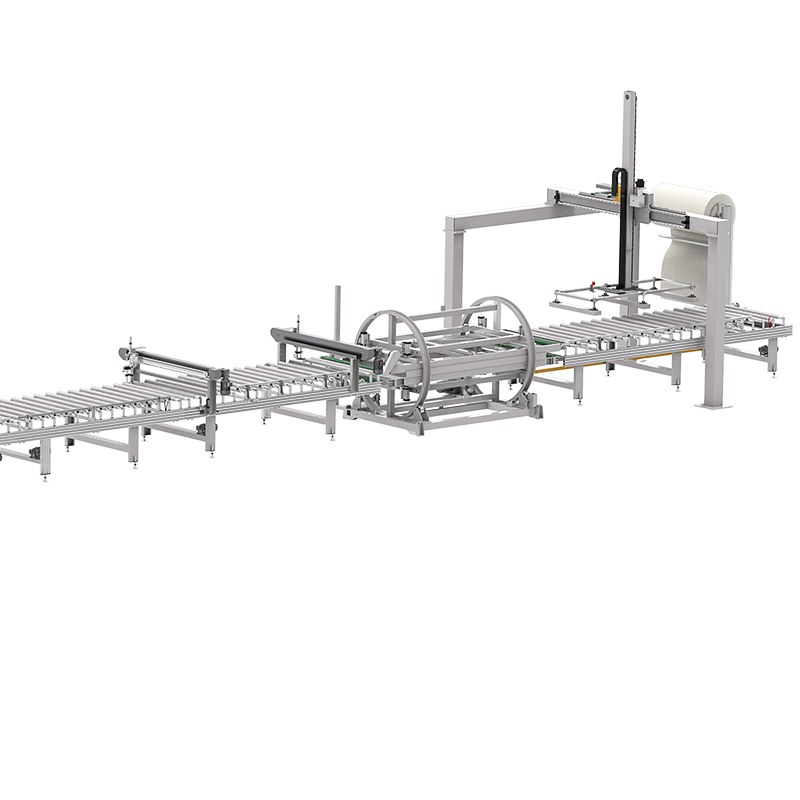
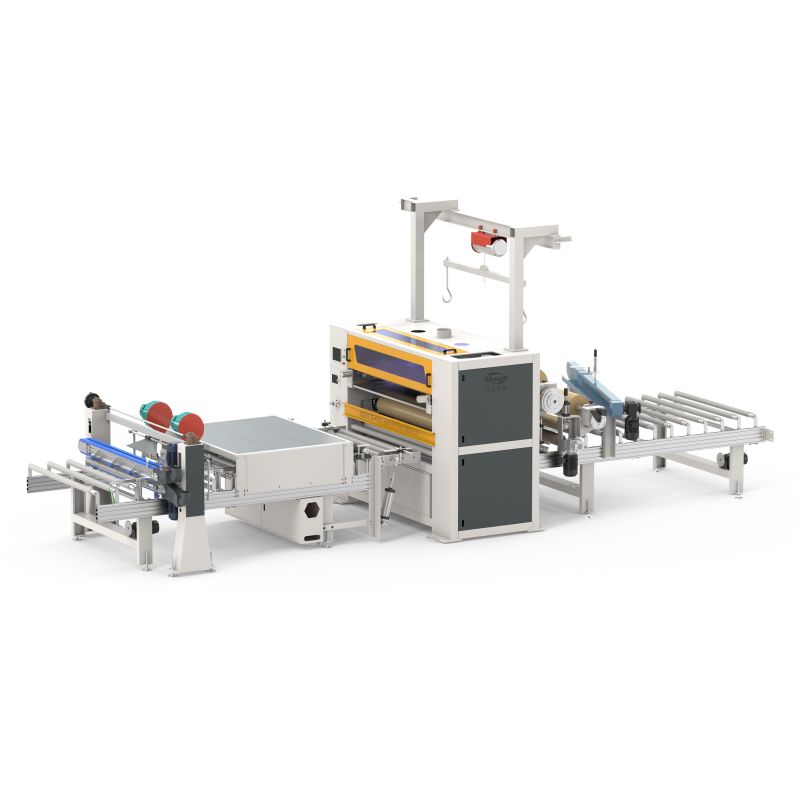
The working principle of the flat-laying machine is: When the sensor detects the product passing by, it transmits the signal back to the labeling control system. The control system then controls the motor to send the label to the appropriate position, allowing the label to adhere to the product's designated labeling position at the same speed as the product's movement, and then the covering device ensures the label is firmly adhered.
Here are four key technical paths that the flat-laying machine helps Vietnamese packaging factories achieve a doubling of efficiency:
1. Labeling accuracy improvement: From manual to fully automatic, the defect rate drops by 80%
Manual labeling often has problems such as position deviations, bubbles, and wrinkles, with the defect rate typically ranging from 5% to 10%.
The fully automatic flat-laying machine uses step motors or servo motors to drive the label delivery, with a labeling accuracy of ±0.5mm, significantly reducing rework due to non-compliant labeling and improving the overall effective output of the line.
2. Labeling speed improvement: From manual to fully automatic, efficiency increases by more than 200%
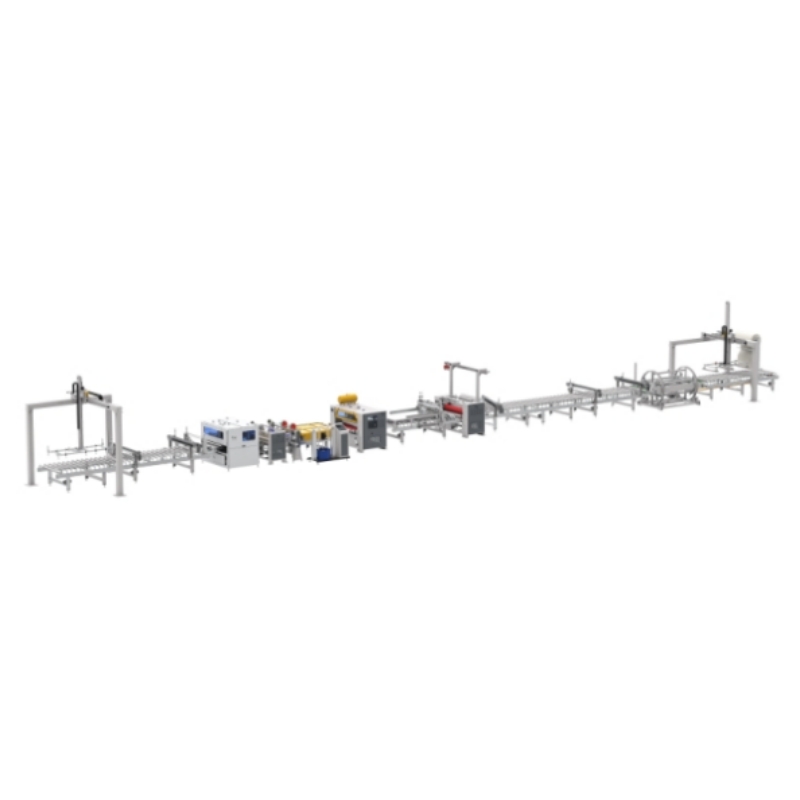
Take the fully automatic flat-laying machine as an example. The equipment supports continuous operation and realizes automated production through the conveyor belt and sensors.
Combined with a vision inspection system and online rejection device, it can monitor the labeling quality in real time and automatically reject不合格 products, with the overall operating efficiency reaching over 95%.
Compared to manual labeling at 30–50 pieces per minute, the equipment speed can be increased by 2–4 times.
3. Changeover efficiency optimization: Intelligent control system shortens the switching time
Vietnamese packaging factories have a wide variety of product categories and frequent changes.
The flat-laying machine is equipped with a PLC touch screen control system that supports quick formula calling, reducing the changeover time from manual adjustment of 40 minutes to within 5 minutes.
For factories that need to produce mixed-line production of multiple specifications of products, this advantage is particularly important.
4. Continuous operation capability: 24-hour uninterrupted production
Manual labor cannot operate continuously, but the flat-laying machine can.
The fully automatic flat-laying machine uses advanced electrical control systems and supports 7×24-hour continuous operation.
Some high-end models also integrate a 4-hour unmanned roll-changing function, further reducing the frequency of manual intervention and increasing daily output to more than twice that of manual lines.
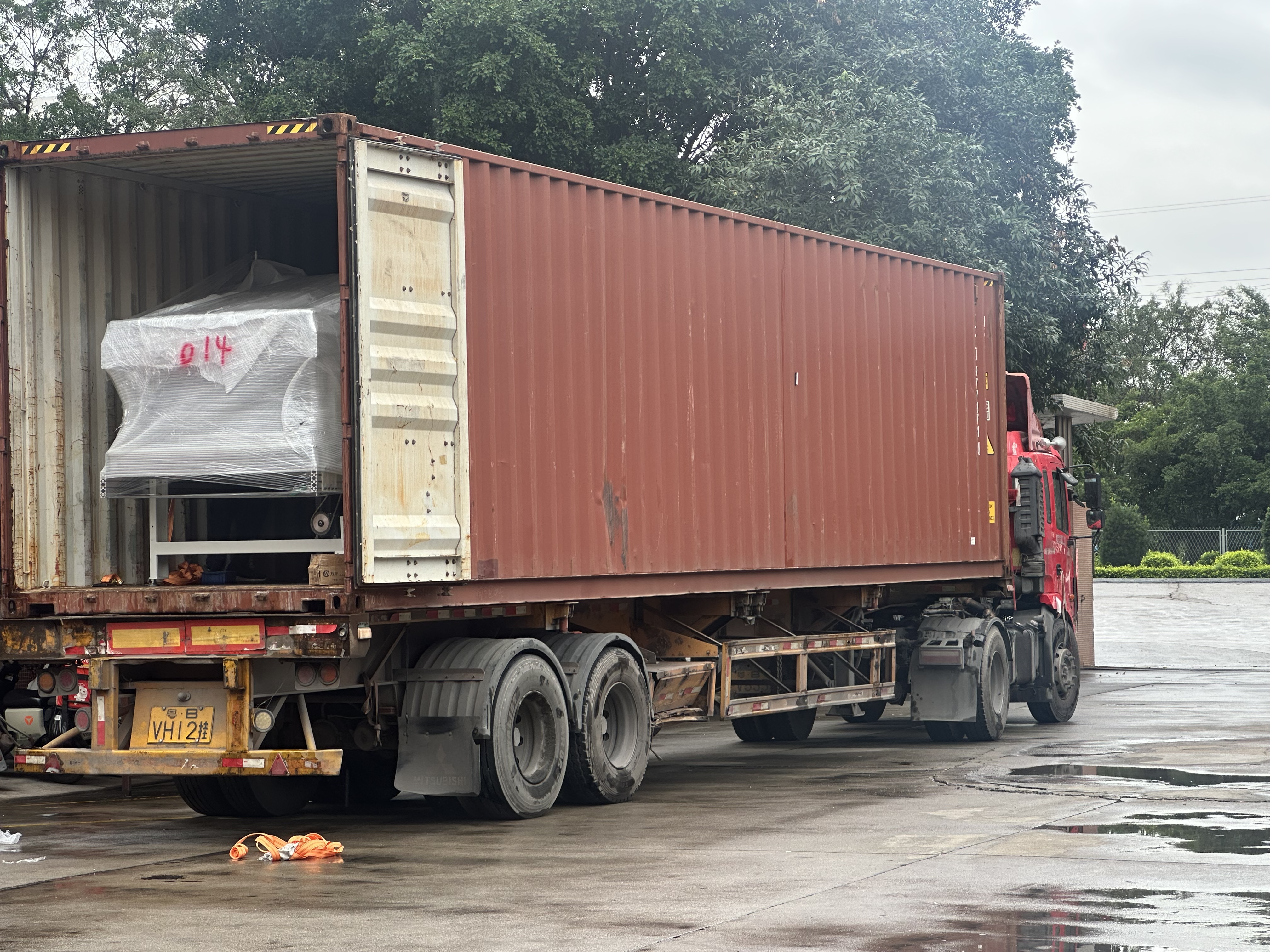
III.Trends of automation upgrade in Vietnamese factories: Demonstrating the value of the flat-laying machine
Vietnamese manufacturing is accelerating its transition from labor-intensive to technology-intensive.
At industrial exhibitions such as VIMF, the demand for automated equipment has seen an explosive growth. From auxiliary material dispensers to fully automated intelligent assembly lines, various automated products have become the focus of attention for Vietnamese enterprises.
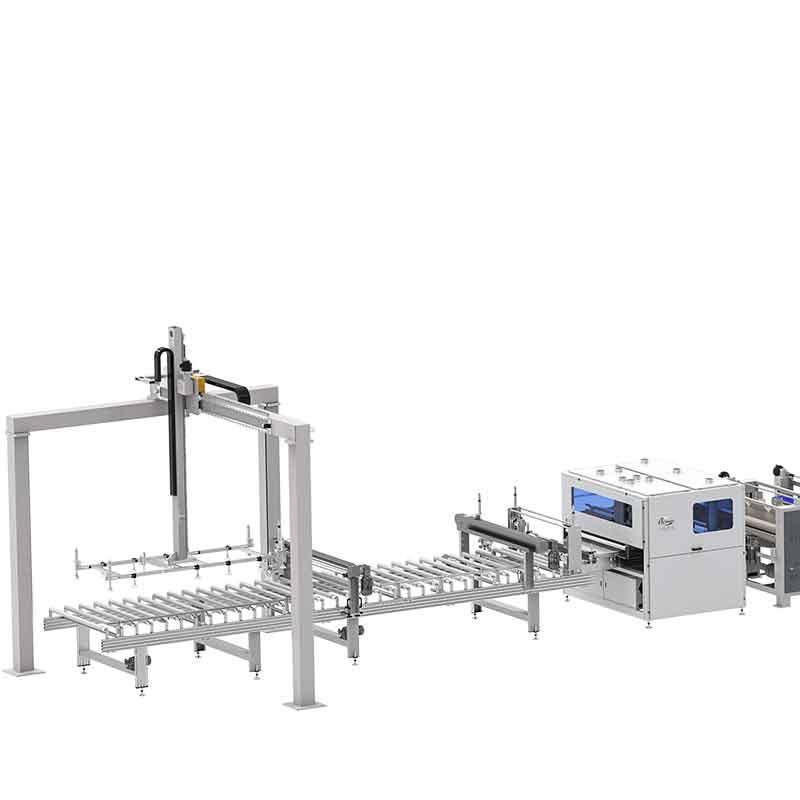
In the food and beverage industry, some Vietnamese factories have achieved full-process automation. Mechanical arms operate flexibly, intelligent inspection instruments run at high speeds, and batches of products are produced, labeled, stacked, and boxed through fully automated assembly lines. The entire process requires no human intervention.
These cases illustrate that the flat applicator, as a key component of the automated production line, is becoming a standard equipment for Vietnamese packaging plants to achieve efficiency leaps.
IV. Realistic Performance Evaluation: The Actual Impact of Flat Applicators on Vietnamese Packaging Plants' Efficiency
Based on equipment parameters and industry application data, the following is an overview table of the performance comparison of flat applicators replacing manual labeling:
| Comparison of projects | Manual labeling | Full-automatic flat labeling machine | Improvement in efficiency |
| Labeling Speed | 30–50 pieces/minute | 100–400 pieces/minute | 200%–300% |
| Labeling Accuracy | ±1.0–2.0mm | ±0.5mm | Accuracy Enhancement of Over 50% |
| Defect Rate | 5%–10% | ≤1% | Defect Rate Reduction of Over 80% |
| Changeover Time | 20–40 minutes | 3–5 minutes | Changeover Time Compression of Over 85% |
| Continuous Operation | 8 hours per shift | 24 hours uninterrupted All-day | Production Output |
Overall, under the same order conditions, after introducing fully automated flat applicators, the overall packaging line capacity of Vietnamese packaging plants can typically achieve a 1.5–2 times actual increase
At the same time, due to the reduction of human involvement and rework processes, the comprehensive production cost can be reduced by over 30%.
The flat-laying machine has helped Vietnamese packaging factories achieve a two-fold increase in efficiency, not just an exaggerated theoretical calculation, but rather an objective judgment based on the technical parameters of the equipment and the actual application in the industry.
Against the backdrop of the rapid growth of the Vietnamese packaging market and the accelerated automation upgrade in the manufacturing sector, the flat-laying machine is becoming a powerful weapon for Vietnamese packaging factories to break through efficiency bottlenecks and seize market share.
For global packaging machinery suppliers, Vietnam is a strategic market worth deepening.
Only by combining efficient products, high-quality local services, and flexible business policies can they truly help Vietnamese packaging factories double their efficiency and achieve sustainable order growth.
