
Flat Laminating Machine and Wrapping Machine: A Complete Guide for Furniture Manufacturers in 2026
In today‘s furniture and building materials industry, surface decoration technology directly determines product quality and market competitiveness. Two pieces of equipment play an essential role in this field: the flat laminating machine and the wrapping machine.
This guide will walk you through what these machines do, how they work, and which one is right for your production needs.
What Is a Flat Laminating Machine?
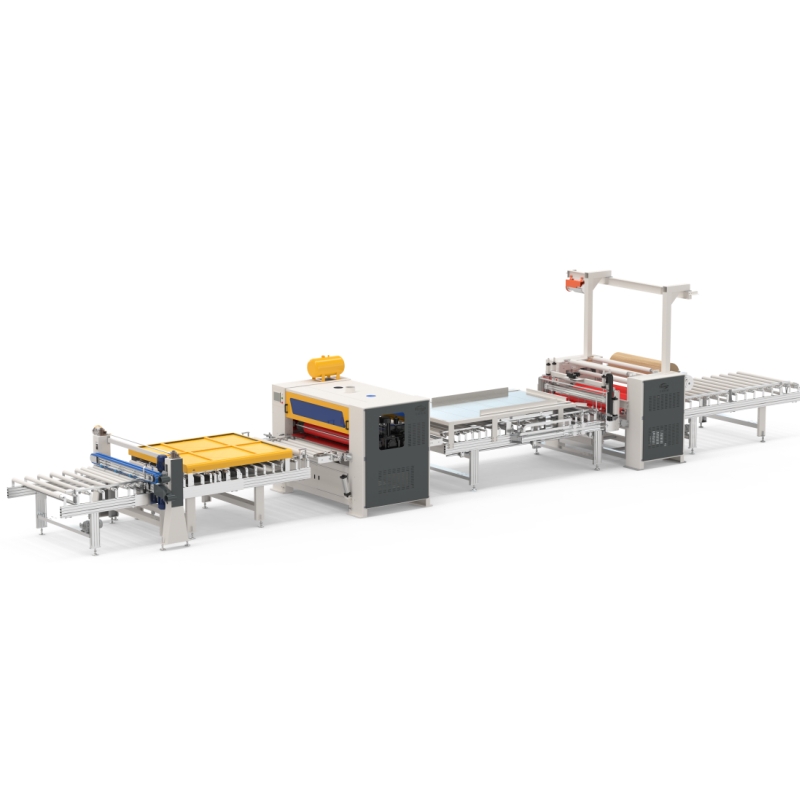
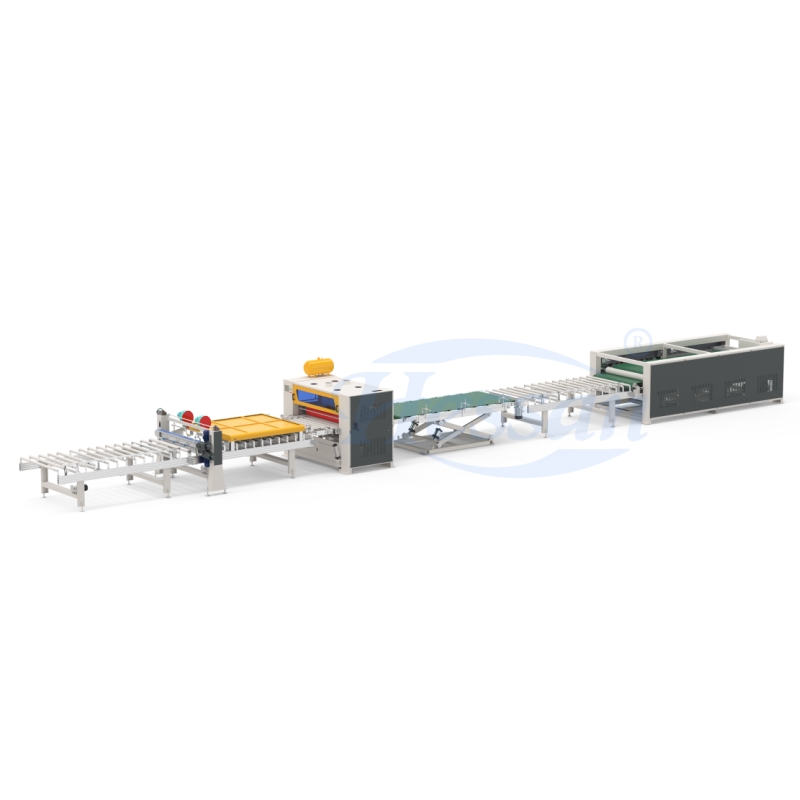
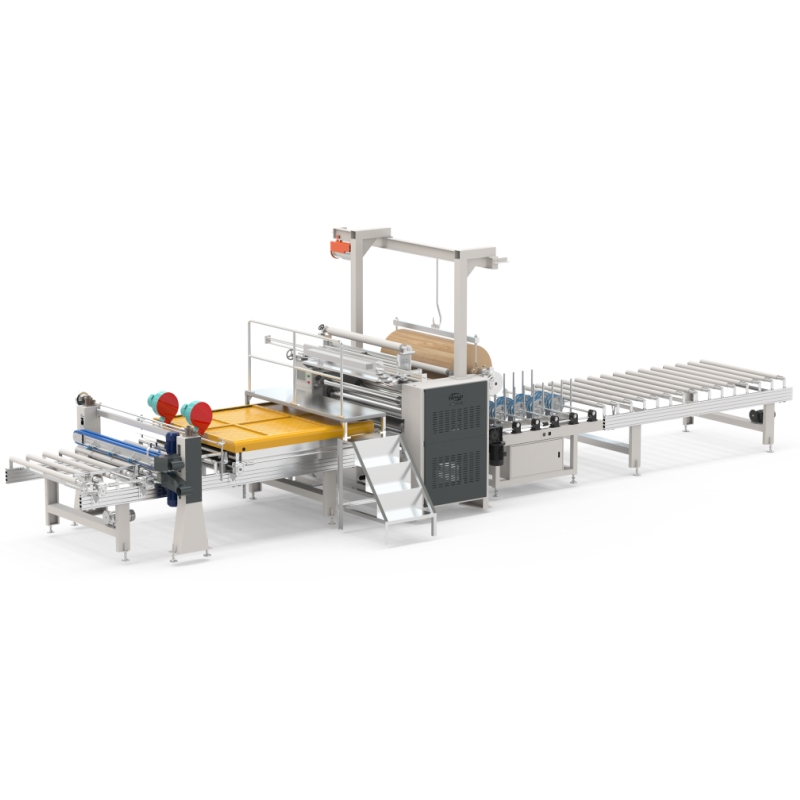
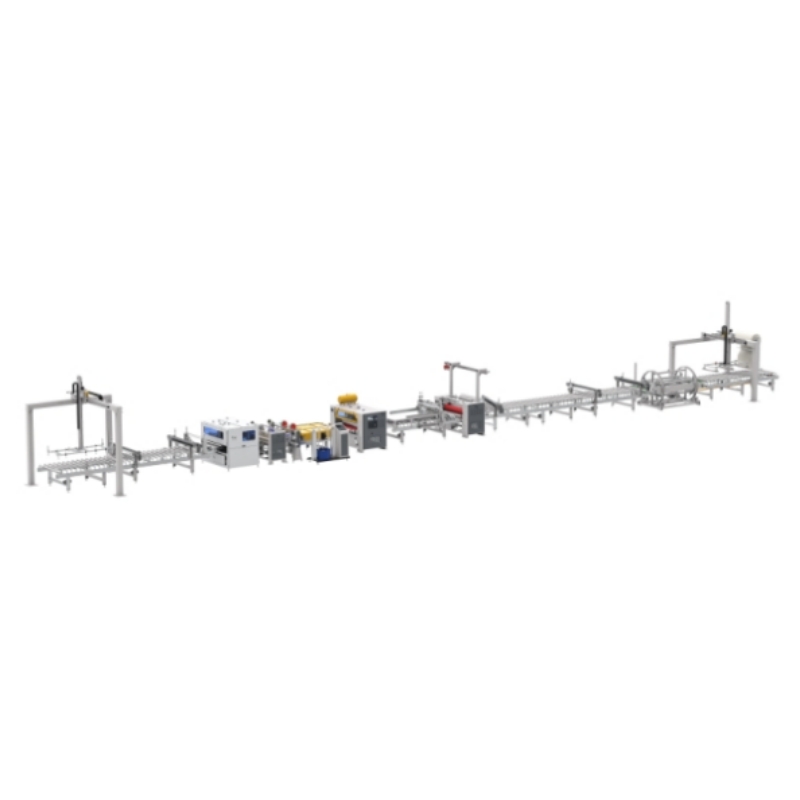
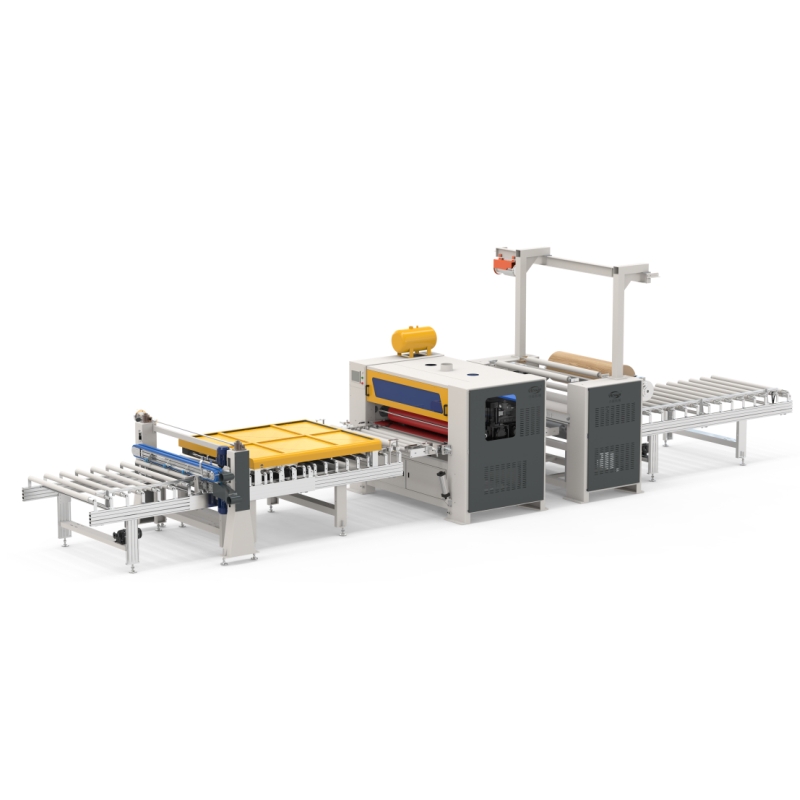
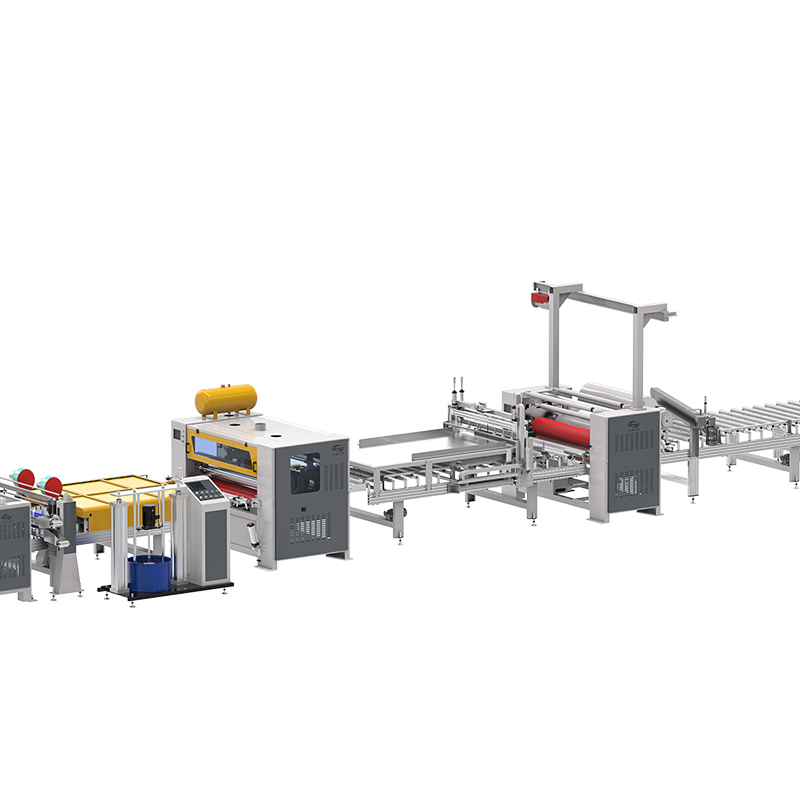
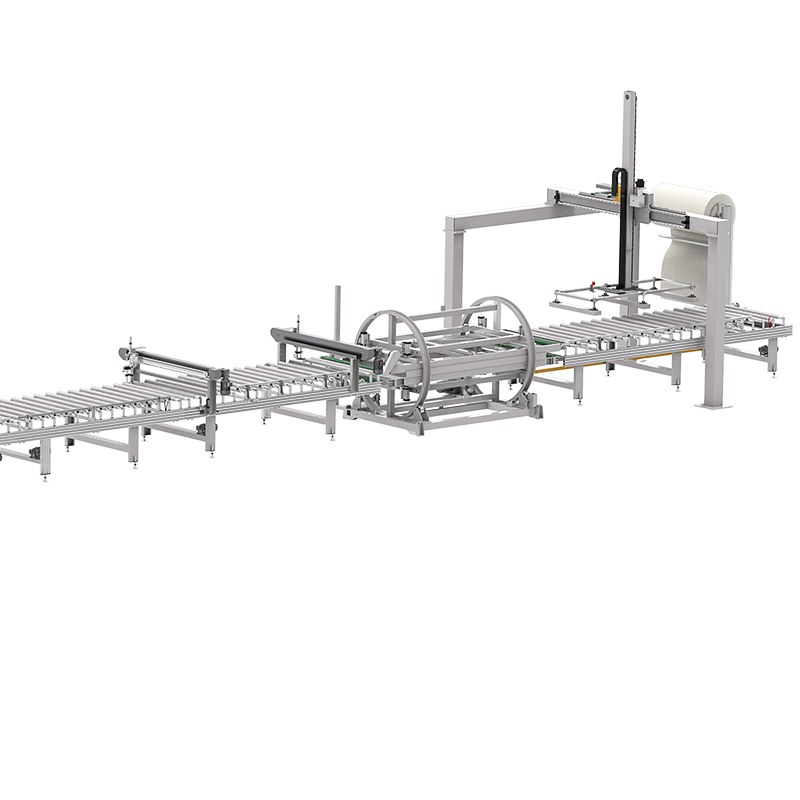
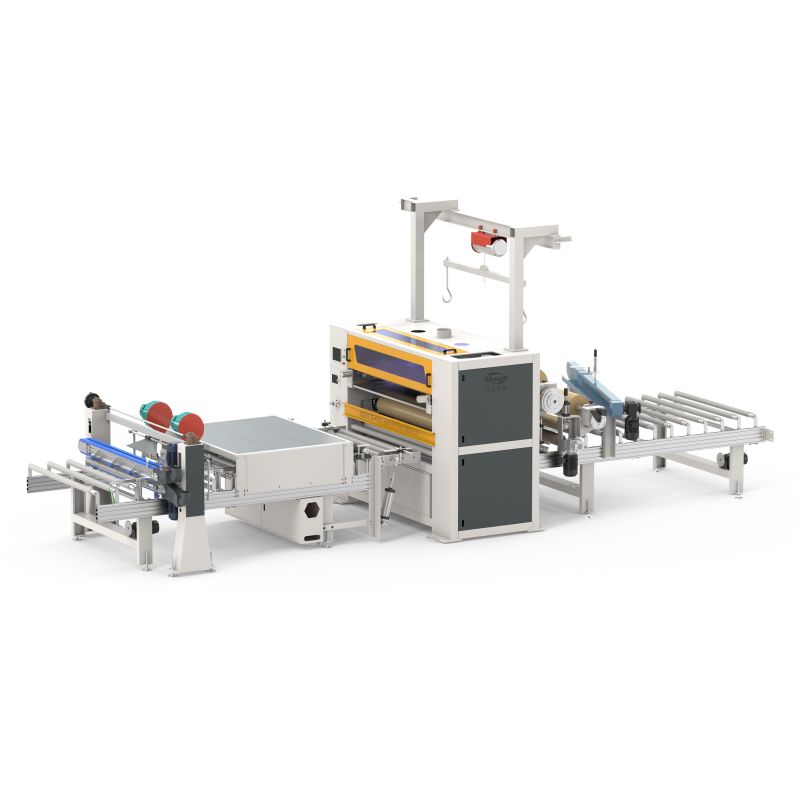
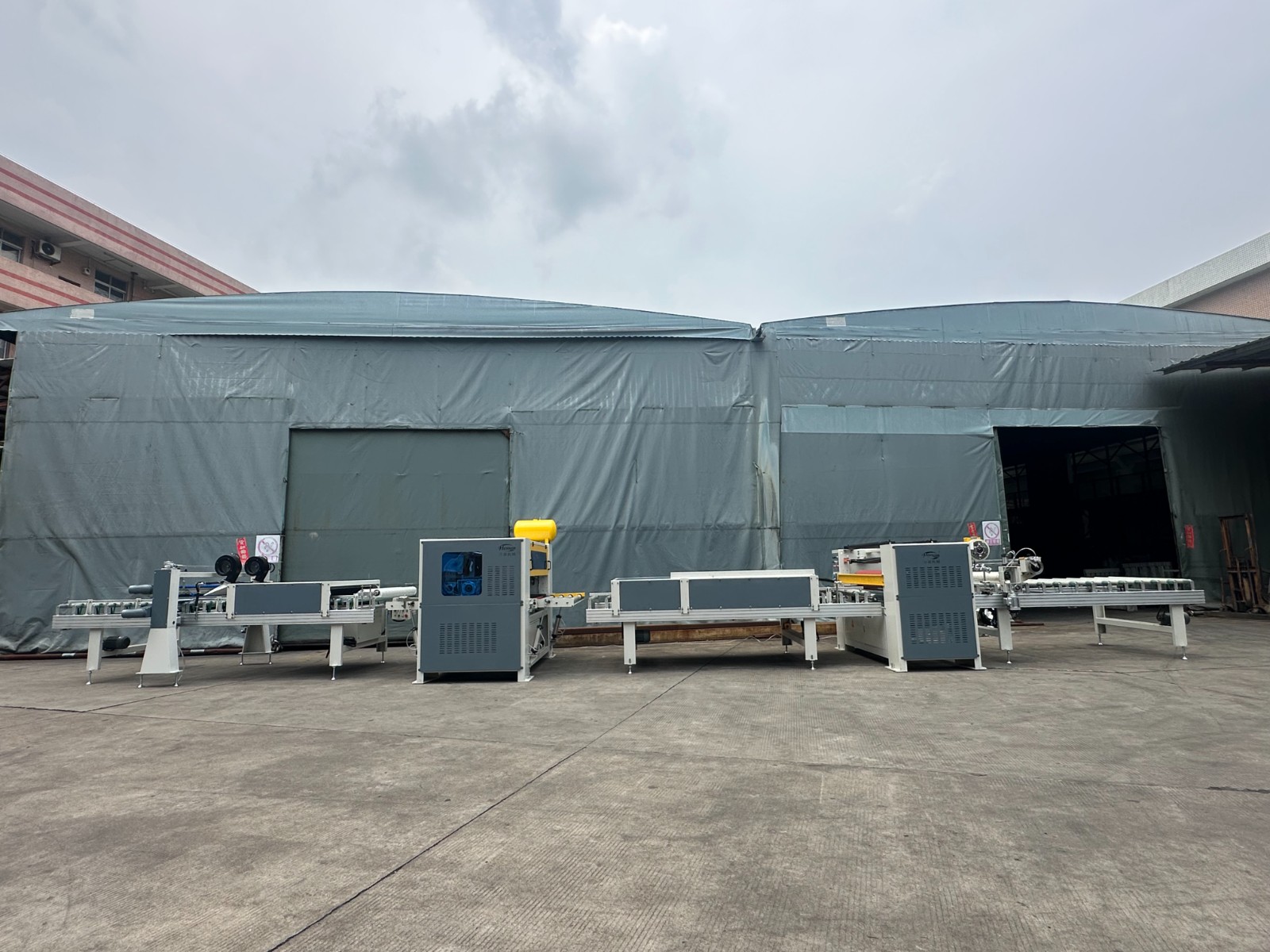
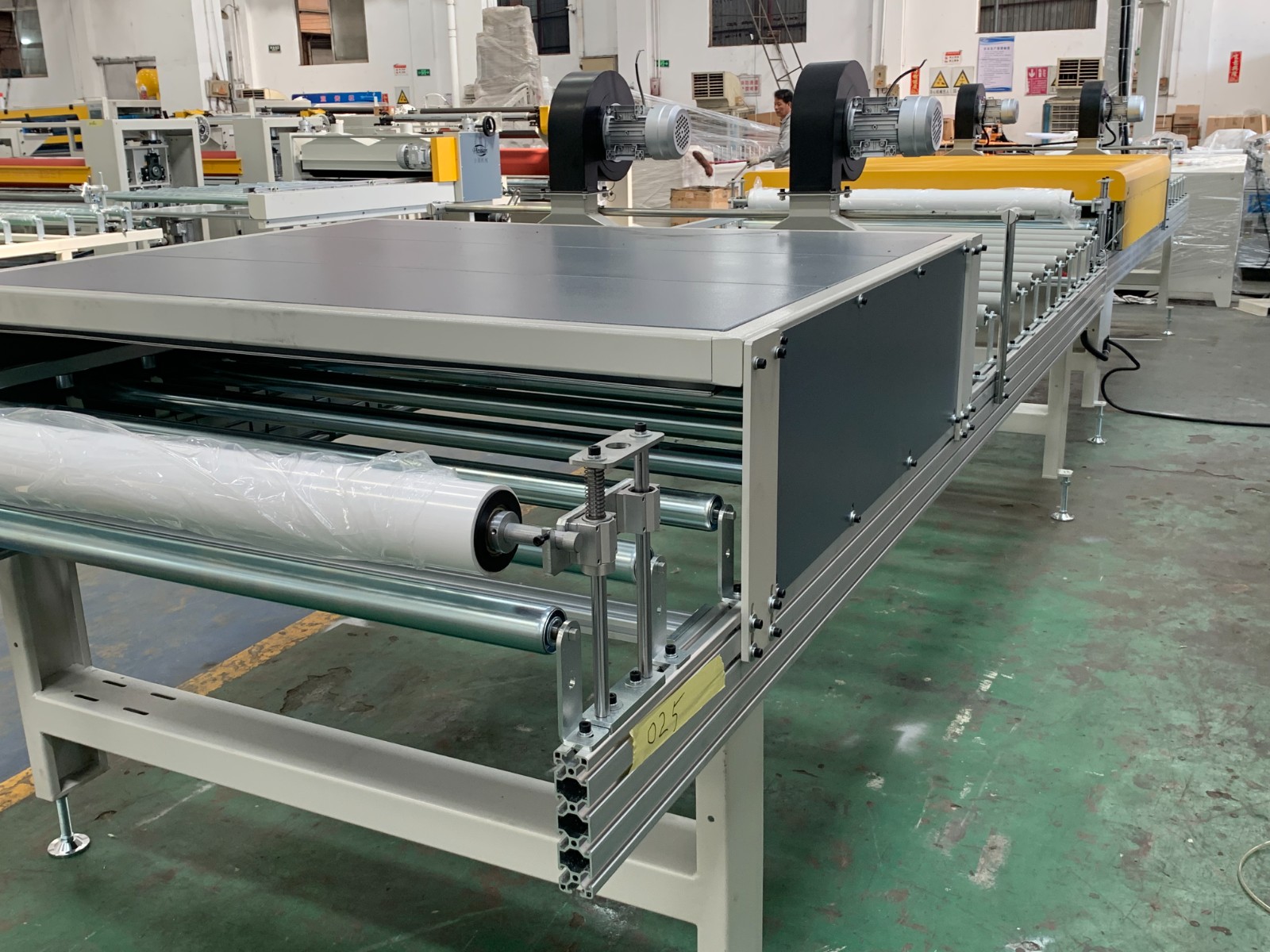
A flat laminating machine is an industrial device designed to bond decorative materials — such as PVC films, wood grain paper, or decorative paper laminates — onto flat sheet substrates like MDF, plywood, or particle board. The process creates a durable, aesthetically pleasing surface that mimics wood grain, stone texture, or solid colors.
The core technology behind flat laminating machines can be divided into two types:
Cold glue laminating machine: Uses liquid adhesives (solvent-based or water-based) applied at room temperature. It is ideal for heat-sensitive materials like PVC films and thin decorative papers that might warp or discolor under high temperatures.
Hot glue laminating machine (PUR): Uses solid glue that is heated and melted before application, typically at around 120°C, suitable for materials that require stronger bonding.
Cold glue lamination has become the preferred method for thicker papers, PVC and aluminum foils in many production lines.
What Is a Wrapping Machine?
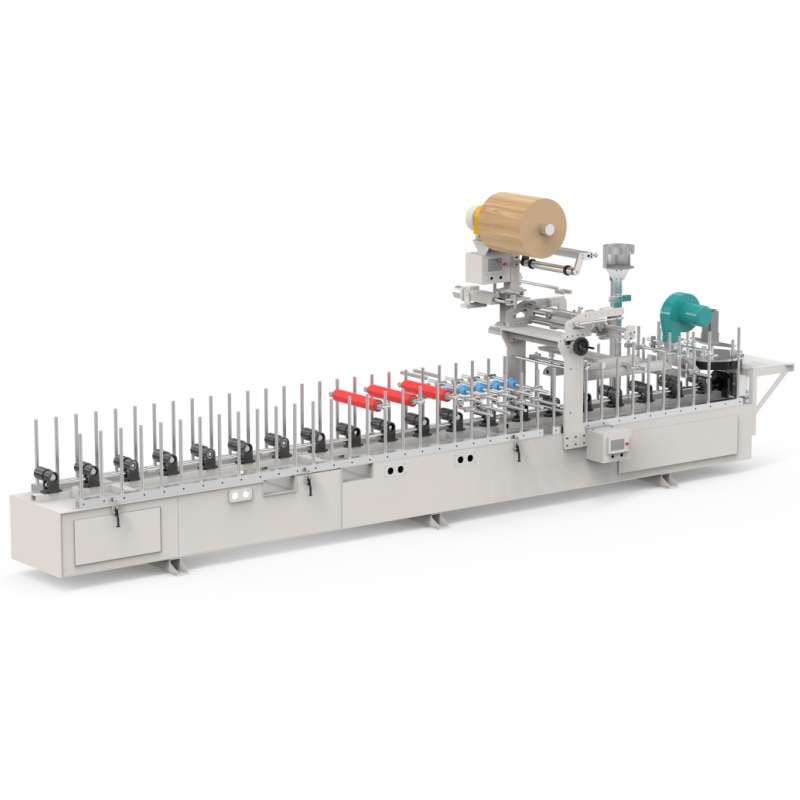
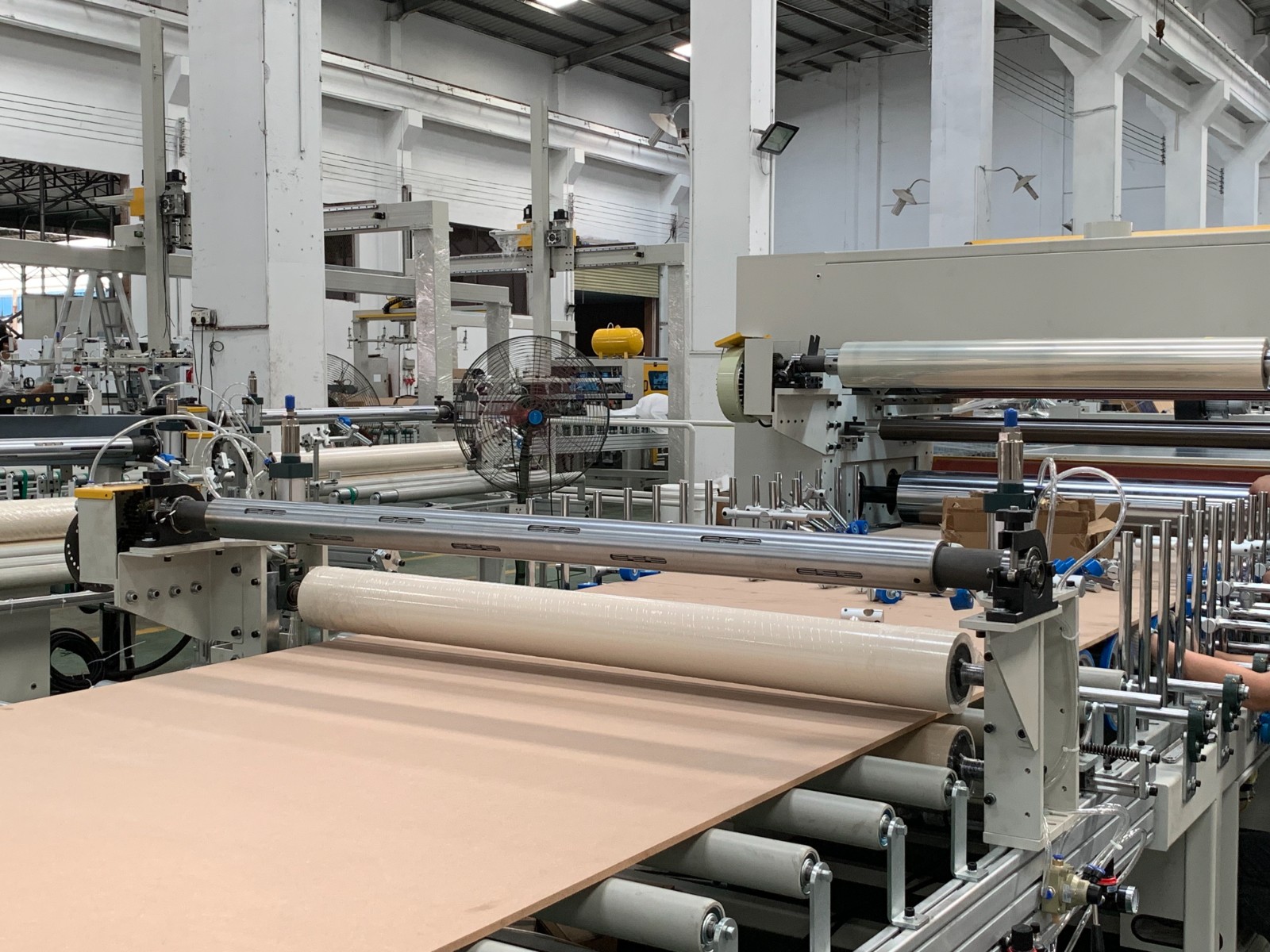
A wrapping machine — also known as a laminating machine or profile wrapping machine — is used to apply decorative materials onto profiled surfaces. Unlike flat laminating machines which work on flat sheets, wrapping machines follow the contours of shaped profiles such as door frames, window profiles, decorative strips, and aluminum extrusions.
The working principle involves pressure rollers and forming wheels that press the decorative material onto the substrate point by point as the profile moves along the conveying direction. This effectively replaces traditional painting processes, greatly shortening production time and reducing environmental impact.
Cold Glue vs. Hot Glue Wrapping Machine:
Feature | Cold Glue Wrapping Machine | Hot Glue (PUR) Wrapping Machine |
Adhesive type | Liquid glue (solvent/water-based) | Solid glue, melted before use |
Temperature | Room temperature | Around 120°C |
Best for | PVC film, decorative paper | Wood veneer, high-strength applications |
Curing time | Natural drying | Quick chemical bonding |
Energy consumption | Lower | Higher |
Cold glue coating machines use liquid glue applied via scraping or roller coating, while hot glue machines require heating and melting in a hot glue box.
Key Applications of Flat Laminating and Wrapping Machines
These machines are widely used across multiple industries:
Furniture manufacturing: Laminated panels for kitchen cabinets, office furniture, and shelving units
Building materials: Door frames, window profiles, skirting boards, and wall panels
Interior decoration: Decorative wall panels, flooring underlays, and trim components
Automotive industry: Interior trim panels and surface coverings
For large-scale operations, advanced cold glue laminators can process over 1,000 panels per shift, making them ideal for mass production.
How to Choose the Right Machine for Your Production Line
When selecting between a flat laminating machine and a wrapping machine — or between cold glue and hot glue systems — consider the following factors:
Material type: What substrates and decorative materials will you use? PVC films and thin papers work well with cold glue systems; wood veneers and high-wear applications may require PUR hot glue.
Product shape: Flat sheets need a flat laminating machine; profiled or shaped products need a wrapping machine.
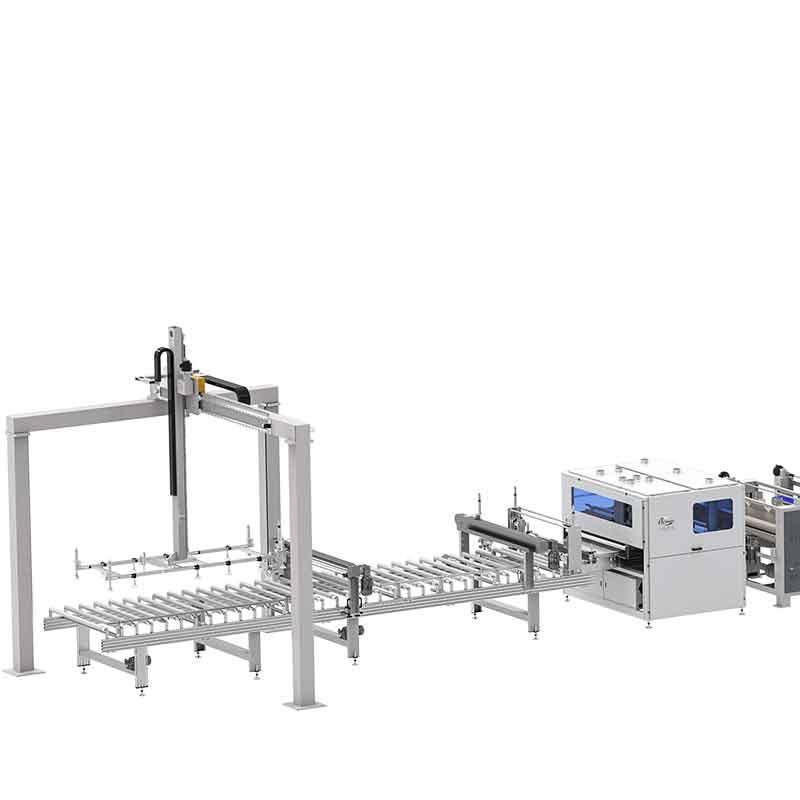
Production volume: Higher volumes benefit from automated systems with faster cycle times.
Energy efficiency: Cold glue systems reduce energy costs by eliminating heating requirements.
Environmental compliance: Water-based adhesives and solvent-free systems are increasingly required by regulations like the EU’s PPWR.
Conclusion
Both flat laminating machines and wrapping machines are essential investments for furniture and building material manufacturers looking to improve product quality and production efficiency. Understanding the differences between cold glue and hot glue technologies will help you make an informed decision that aligns with your specific application needs.
Looking for a reliable flat laminating machine or wrapping machine supplier? Contact us today to learn more about our range of cold glue and PUR hot glue lamination solutions.
