
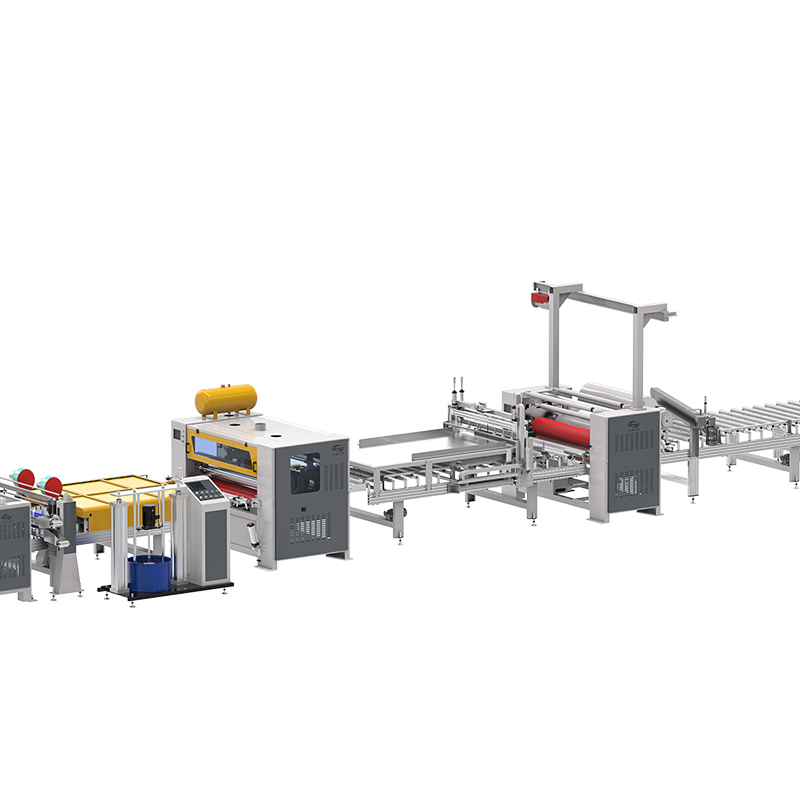
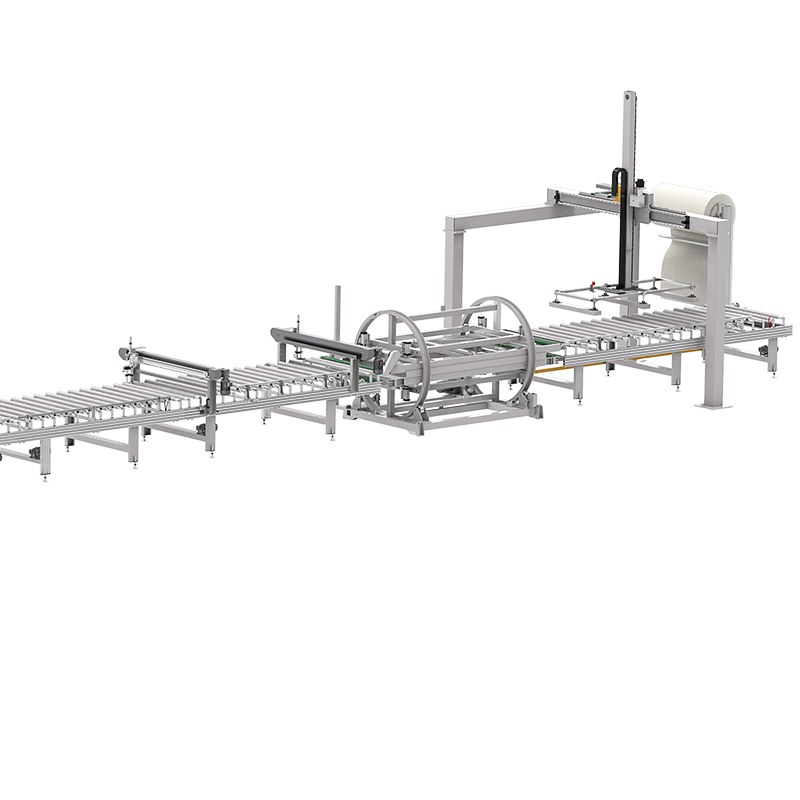
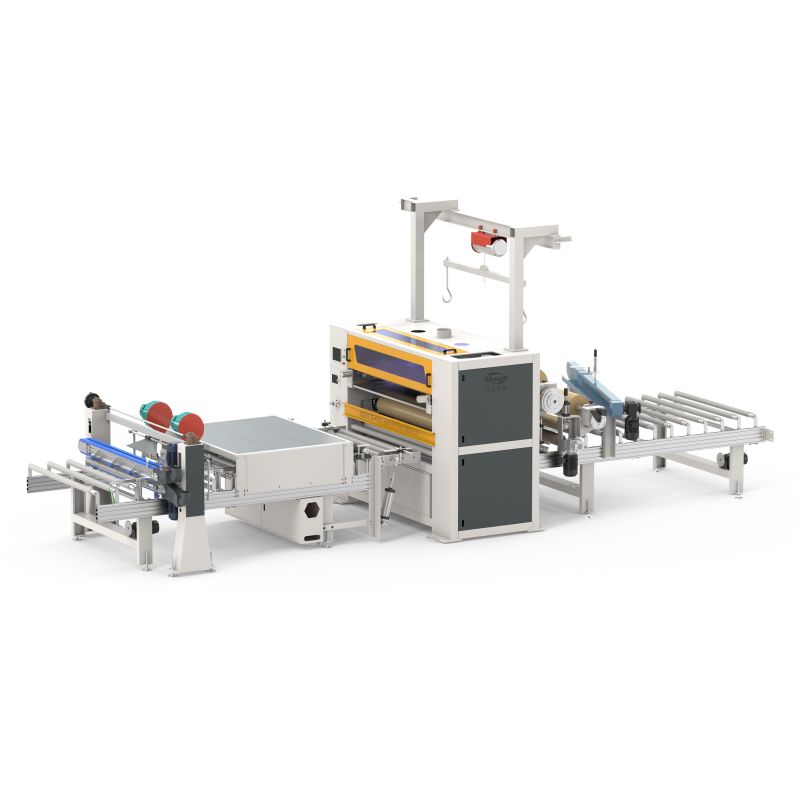
In the fields of panel deep processing and furniture manufacturing, flat laminating machines and coating machines are two core production lines.
The flat laminating machine is responsible for adhering decorative materials to the surface of the panel, while the coating machine excels in processing various irregular lines and profiles.
With the explosive growth of the custom furniture, full-house renovation, and green building materials markets, these two types of equipment are becoming essential equipment for factories to achieve automation and high-quality production.

Flat Laminating Machine
1. What is a flat laminating machine?
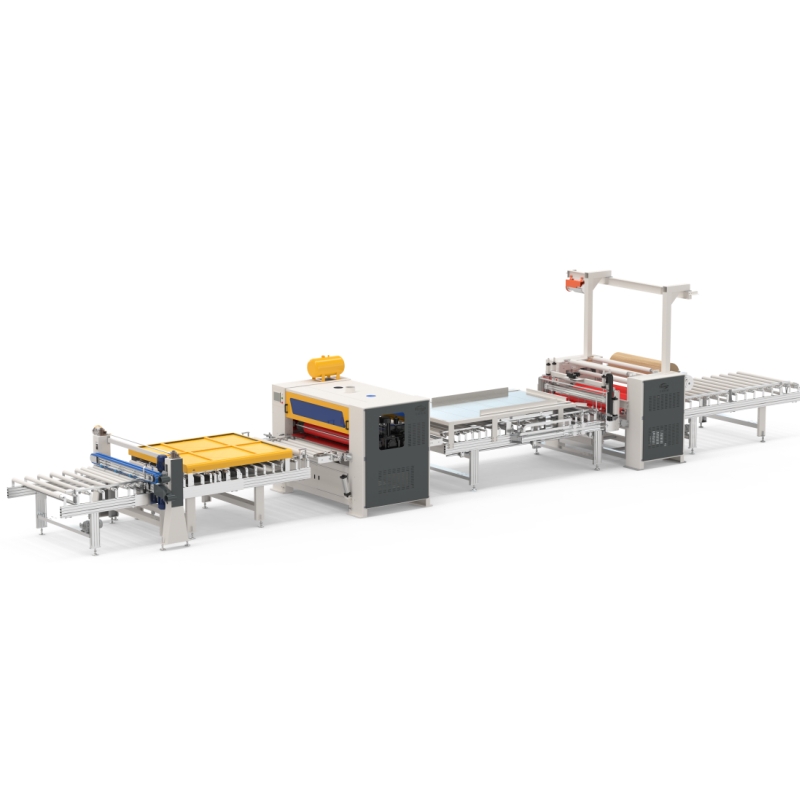
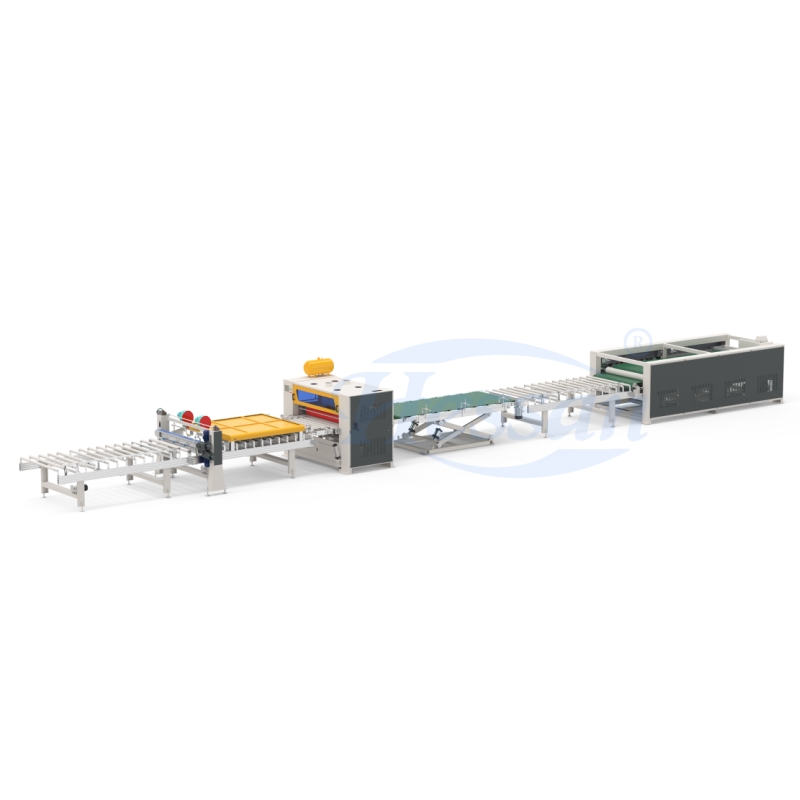
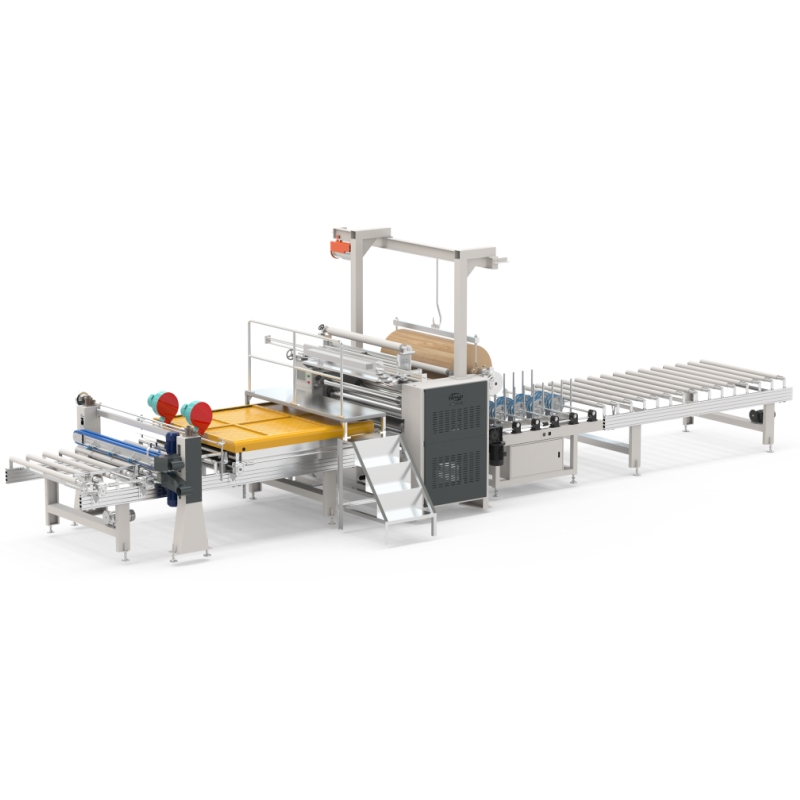
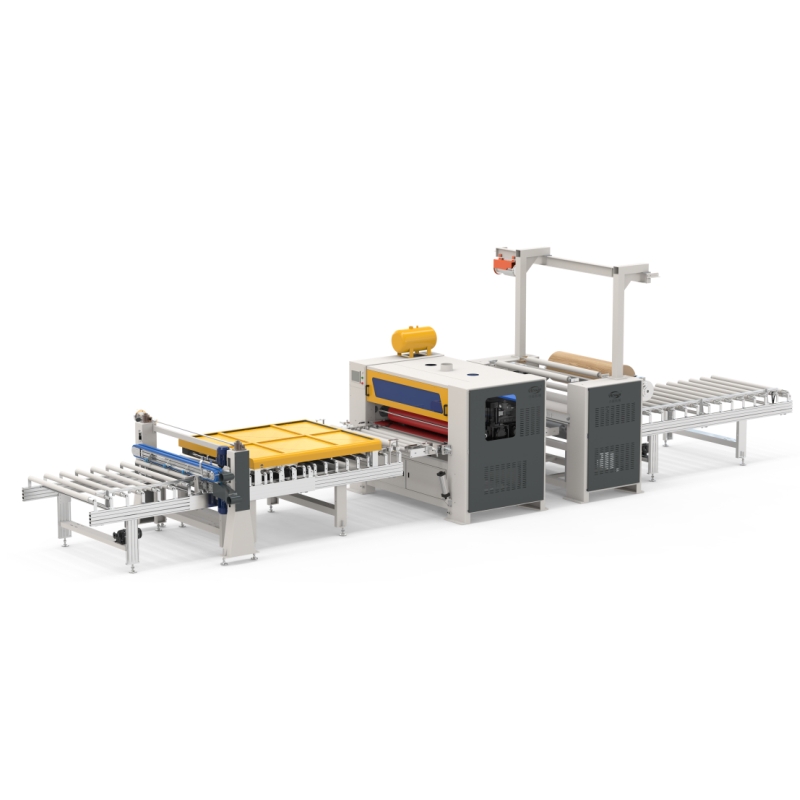
A flat laminating machine is a specialized equipment that adheres decorative films, wood veneers, fireproof boards, etc. to the surface of the panel. It evenly applies glue through a roller coating system on the surface of the substrate, and then uses a pressing mechanism to combine the surface material with the substrate, forming a smooth and beautiful decorative surface. Flat laminating machines can be divided into two major types: immediate coating type and pre-coating type, and are mainly applicable to MDF boards, particle boards, fiberboards, calcium silicate boards, glass fiber reinforced plastic boards, PVC foamed boards, aluminum plates, etc.
2. Core Technology: PUR Hot Melt Adhesive
Modern high-end flat laminating machines generally adopt PUR (polyurethane based on moisture reaction) hot melt adhesive technology. The PUR glue reacts with moisture in the air to solidify, forming an extremely strong, flexible, and resistant to high and low temperatures bonding layer, with outstanding advantages such as waterproof, weather resistance, and environmental protection. Ordinary PUR glue does not stick in the range of -40°C to 140°C, and has an extremely wide range of applications - from cabinet door panels, wardrobe door panels to honeycomb furniture, aluminum-plastic panels, fireproof boards, etc. can be efficiently adhered.
3. Application Scenarios of Flat Laminating Machines
Surface film adhesion of cabinet door panels and wardrobe door panels
Decorative coating of wall panels and ceiling panels
Composite processing of honeycomb panels and multi-layer panels
Functional coating of fireproof boards, aluminum foil, copper foil
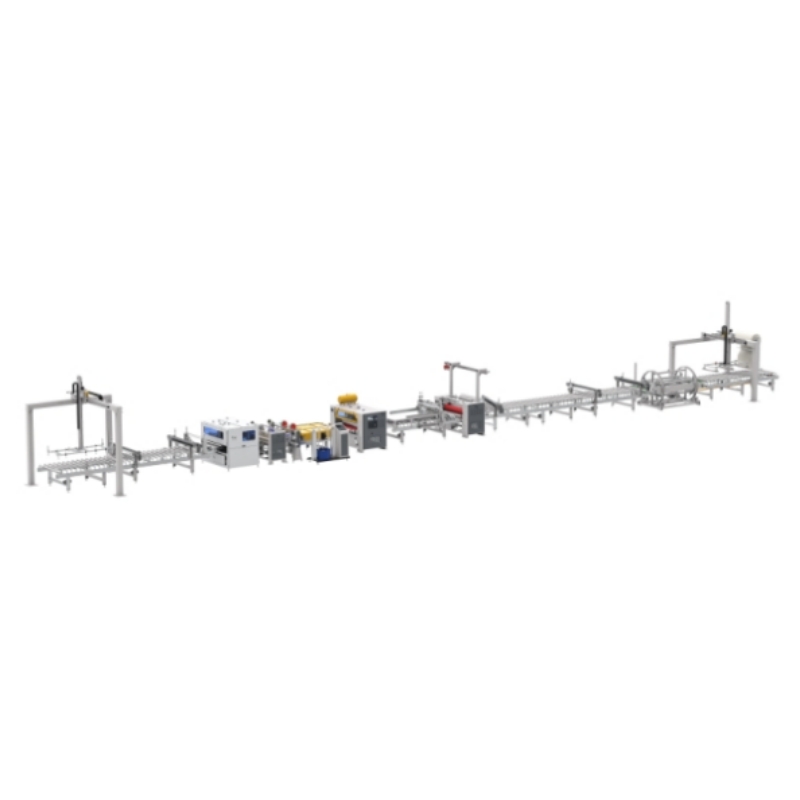
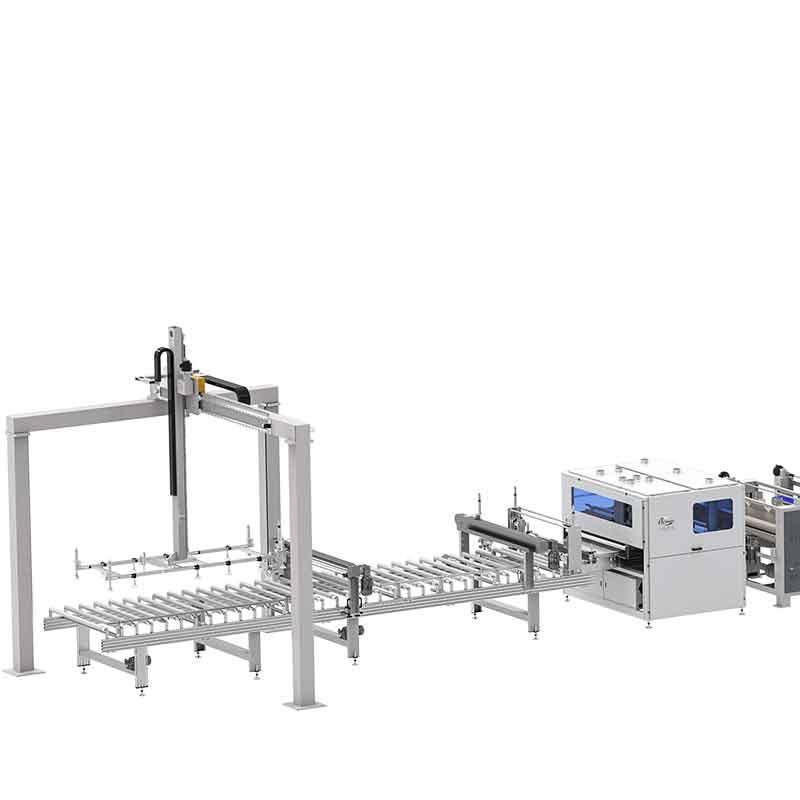
Typical parameters of flat laminating lines: effective working width 0-1320mm, processing thickness 2-80mm, conveying speed 3-20m/min, total power approximately 25kW. Fully automatic production lines can also achieve automatic dust removal, coating, curing, adhesion, cold pressing, pressing, cutting continuous operations, significantly improving production efficiency and yield.
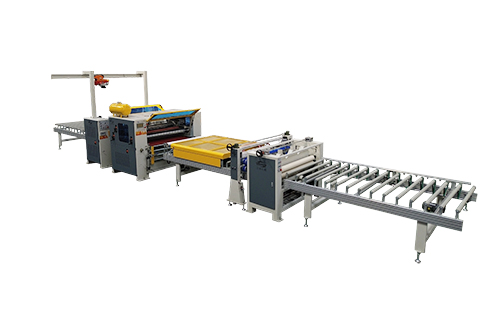
Wrapping Machine
1. What is a wrapping machine?
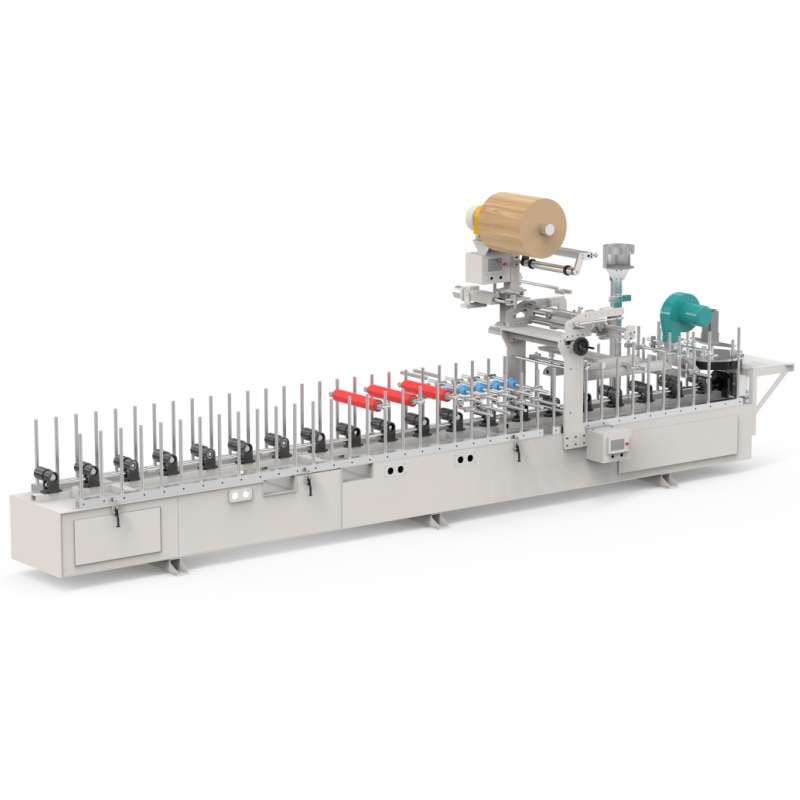
A wrapping machine is a composite equipment that adheres PVC film, decorative paper, solid wood veneer and other decorative materials onto the surface of profiles. It is widely used for surface processing of various profiles such as wood, aluminum-plastic profiles, and foamed materials. It uses various forming rollers to simulate the manual surface attachment action, and rolls the decorative materials along the profile surface contour point by point to achieve perfect encapsulation of irregular profiles.
2. Classification and Process
Universal wrapping machines are generally divided into two categories: cold glue type and hot glue type:
Cold glue wrapping machine: Uses liquid glue (solvent glue or water-based glue), applying glue through scraping or roller coating, suitable for adhering PVC film and other materials
Hot glue wrapping machine: Uses solid hot melt glue, heating it to approximately 220°C in a glue box before use, especially suitable for adhering solid wood veneer and decorative paint paper
Combined wrapping machine: Can meet the requirements of both cold glue and hot glue processes simultaneously.
High-end wrapping machines are also equipped with a PUR hot glue system, with a dispensing capacity of up to 35 kg/h, using synchronous transmission technology and silicone rubber rollers, significantly improving wear resistance and processing accuracy.
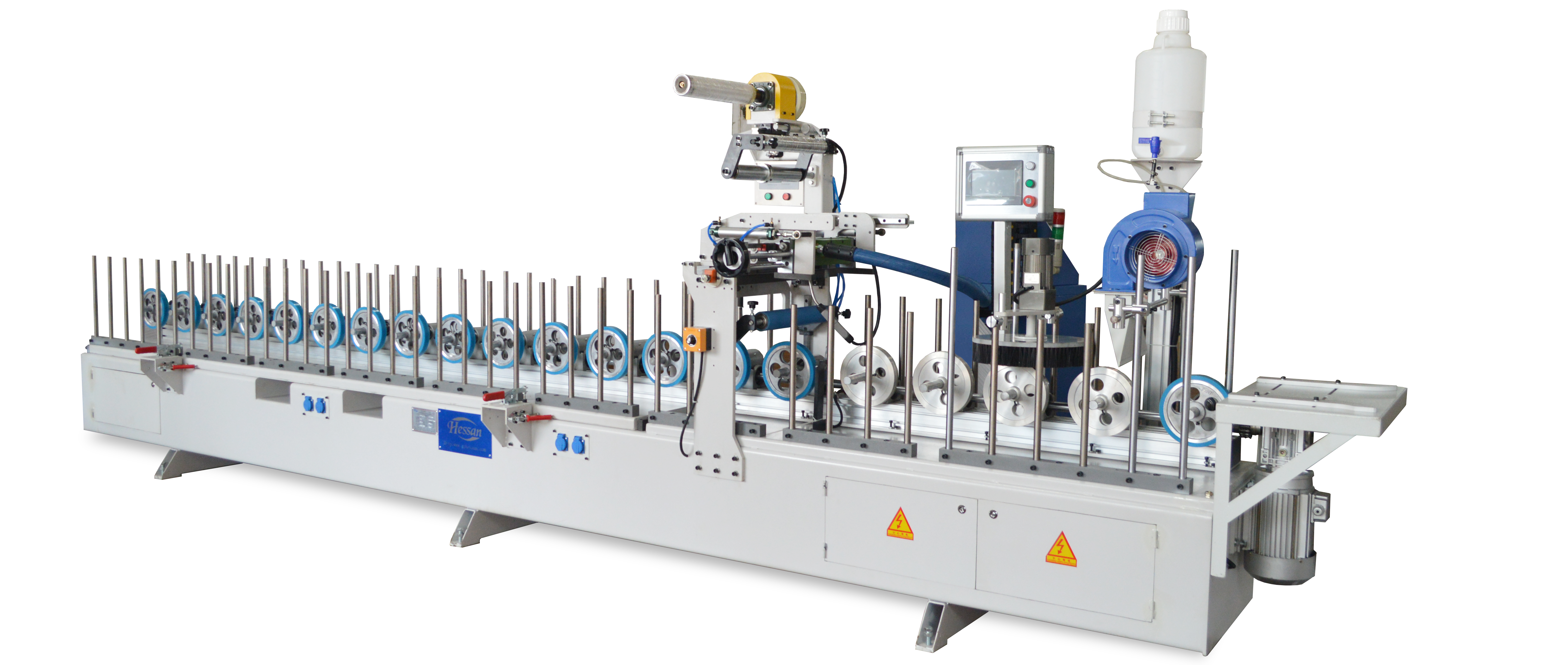
Comparison between Flat Coating Machine and Wrapping Machine
In simple terms, the flat coating machine handles "surface", while the wrapping machine handles "lines". The flat coating machine is responsible for covering the entire surface of the board with decorative materials; the wrapping machine specifically processes the four sides and curved surfaces of door frame lines, skirting lines, etc., to achieve comprehensive encapsulation of complex contours. These two types of equipment are often connected in sequence and indispensable in the production lines of panel furniture and custom furniture.
Industry Trends: Development Direction of Flat Coating Machines and Wrapping Machines
1. Market size continues to expand
The global woodworking and paper machinery market is expected to grow from 49.45 billion US dollars in 2025 to 53.04 billion US dollars in 2026, with a compound annual growth rate of 7.2%. The expansion of the furniture manufacturing industry and the popularization of industrial automation are the main driving forces. The film encapsulation equipment market is expected to continue to expand at a compound annual growth rate of 4.5%, from 53.994 billion US dollars in 2025 to 56.401 billion US dollars in 2026.
2. Deep integration of automation and intelligence
In 2026, the flat coating machine and wrapping machine industry is undergoing a profound intelligent transformation. PLC control systems have become standard equipment for high-end machines, enabling precise control of temperature, speed, and pressure; the introduction of IoT technology gives the equipment real-time monitoring, predictive maintenance, and remote diagnosis capabilities, significantly reducing downtime. Full-process automation functions such as automatic dust removal, automatic deviation correction, automatic cutting, and automatic material collection are becoming industry standards from advanced configurations.
3. PUR hot melt adhesive technology becomes the mainstream
PUR moisture-curing hot melt adhesive, with its extremely high bonding strength, resistance to high and low temperatures, waterproof and environmentally friendly properties, is completely replacing traditional EVA hot melt adhesive and solvent-based adhesives. Whether in flat lamination machines or encapsulation machines, PURization has become an irreversible trend.
4. Integrated production lines become a new trend
Single equipment is giving way to integrated production lines that combine flat lamination, gluing, and encapsulation. This integrated design not only saves factory space but also avoids bottlenecks and inconsistencies when multiple equipment are connected, improving overall production efficiency and product consistency.
5. Green environmental protection and sustainable development
Driven by the "dual carbon" goal, the building materials industry is accelerating its transition to green and low-carbon. The equipment for flat lamination and encapsulation is also developing towards energy conservation and consumption reduction, reducing VOC emissions, and adapting to bio-based and recyclable materials to meet increasingly strict environmental regulations and the green demands of end consumers.

How to choose flat lamination machines and encapsulation machines
When purchasing, it is recommended to focus on the following key parameters:
Processing width and thickness: Choose based on the size of the main products. Flat lamination machines usually have a width of 0-1320mm and a thickness of 2-80mm.
Type of adhesive system: Prioritize PUR hot adhesive systems, while also considering the compatibility with cold adhesives.
Automation level: Configurations such as automatic dust removal, automatic deviation correction, PLC control, and human-machine interface directly affect the ease of operation and product quality stability.
Precision of rollers and gluing system: For high-gloss materials (such as PET film), a three-roll gluing system is required to ensure uniform gluing.
Brand and after-sales service: Choose manufacturers with industry reputation to ensure stable equipment and response speed of after-sales service.
