
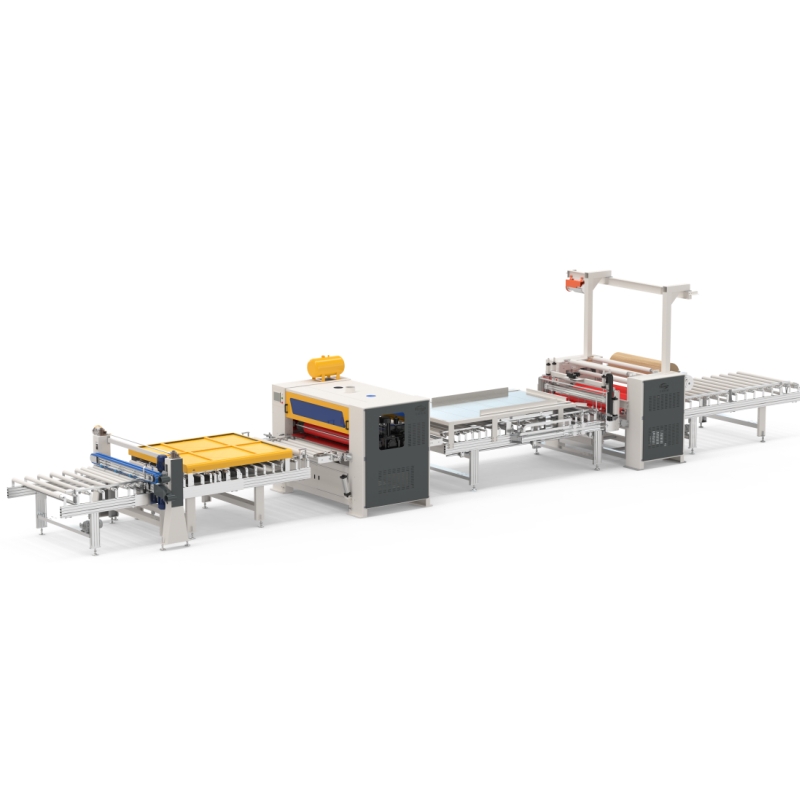
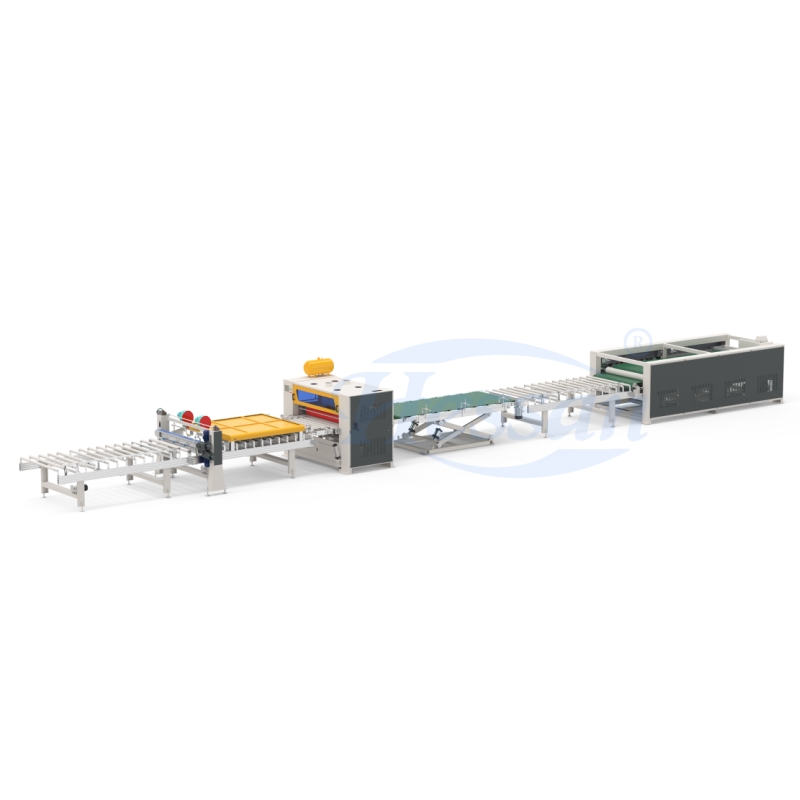
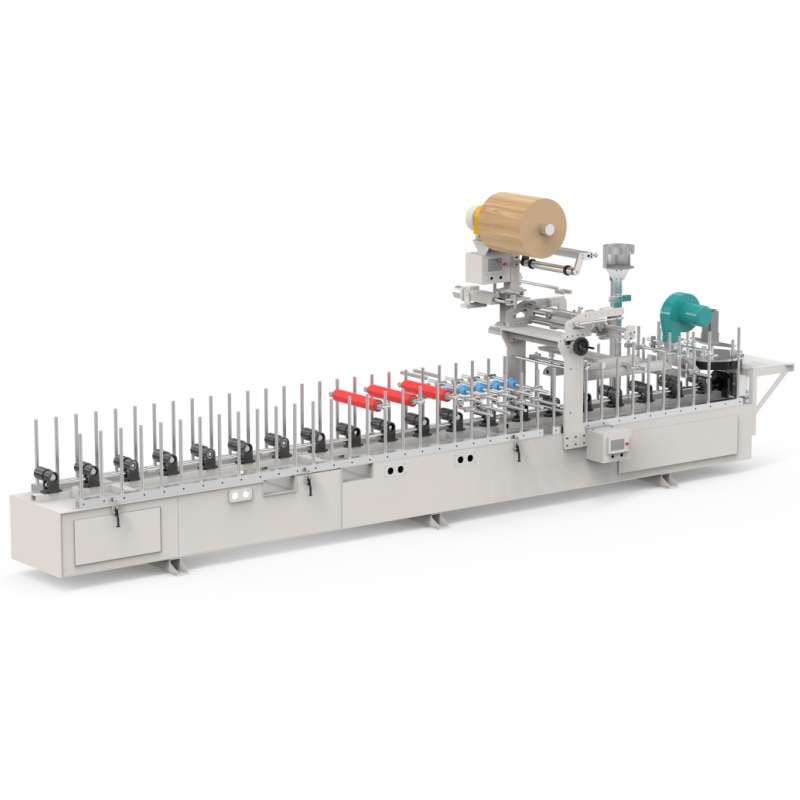
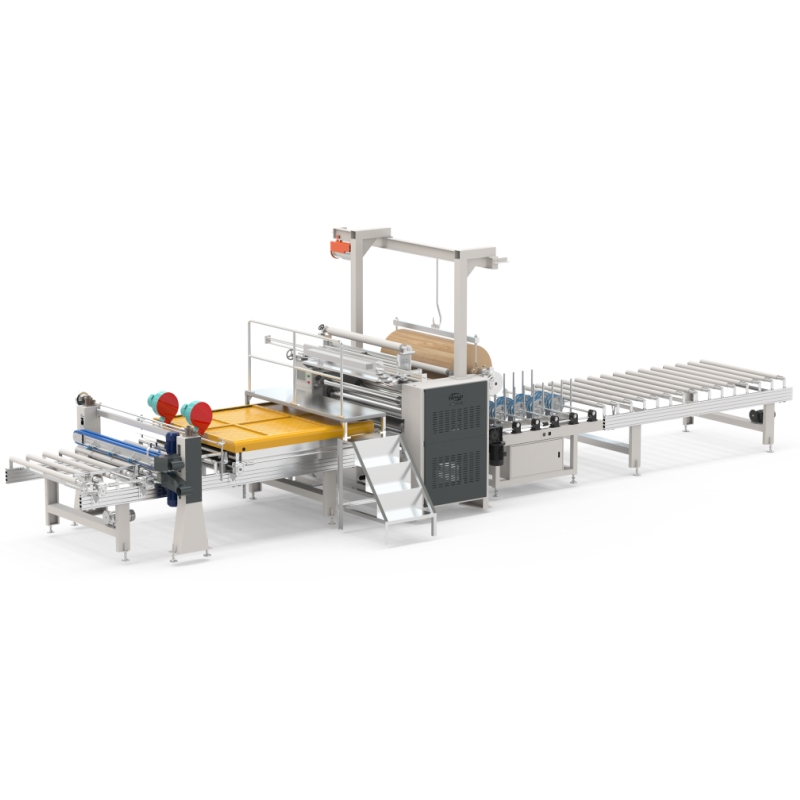
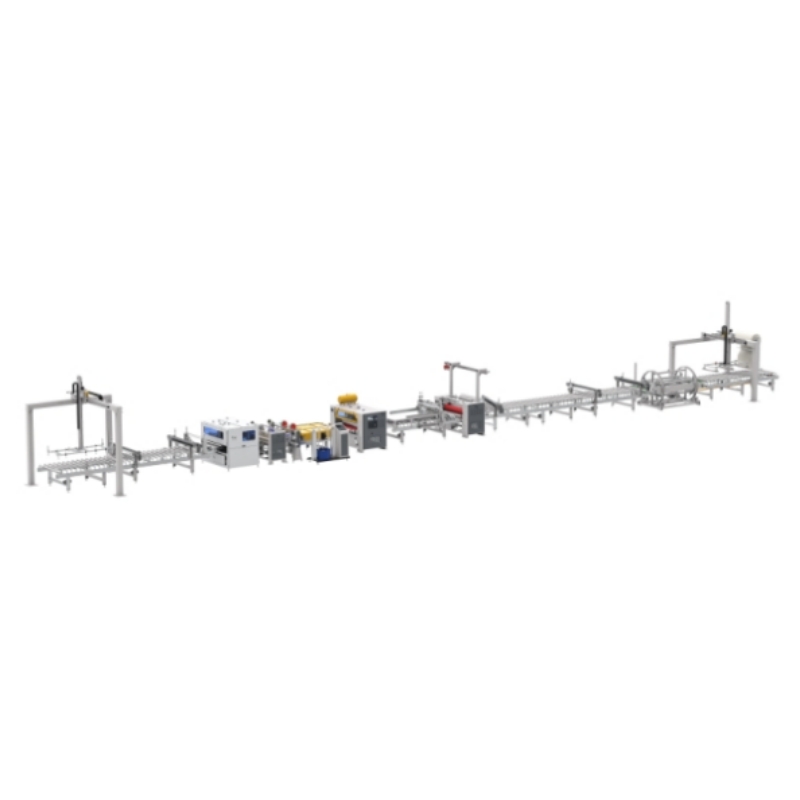
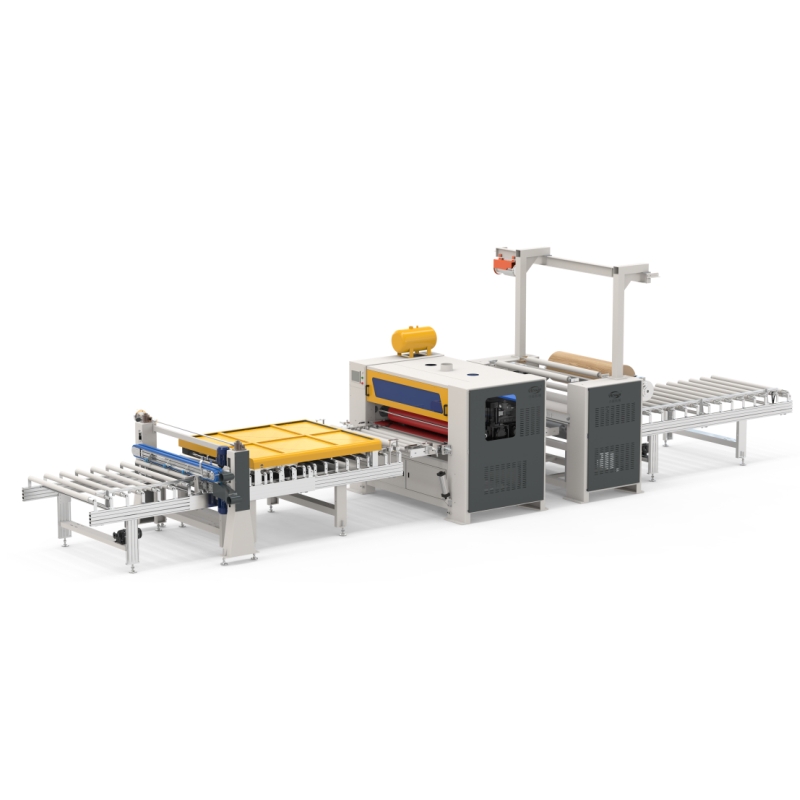
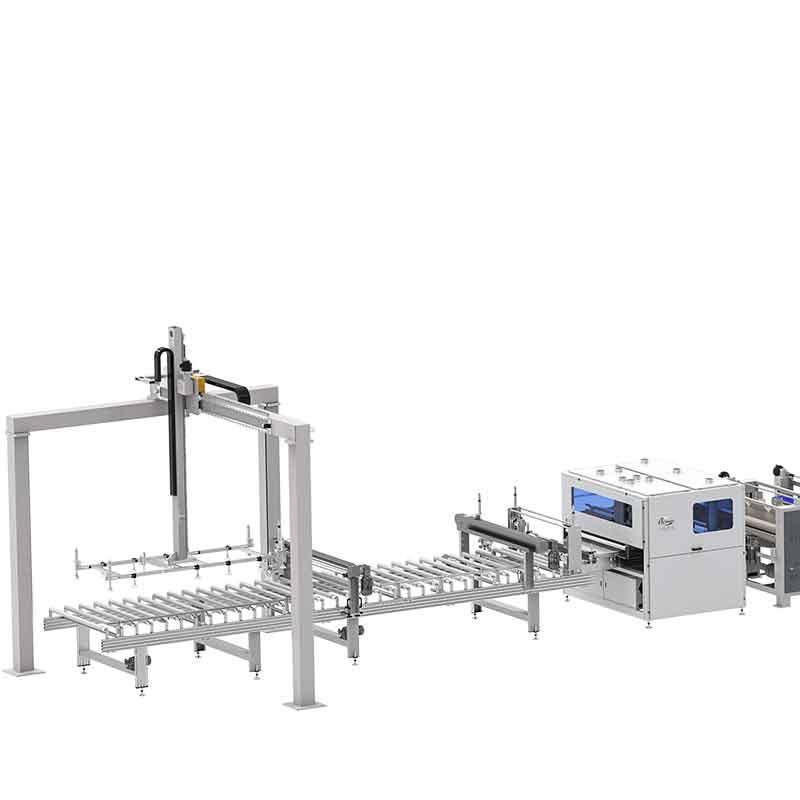
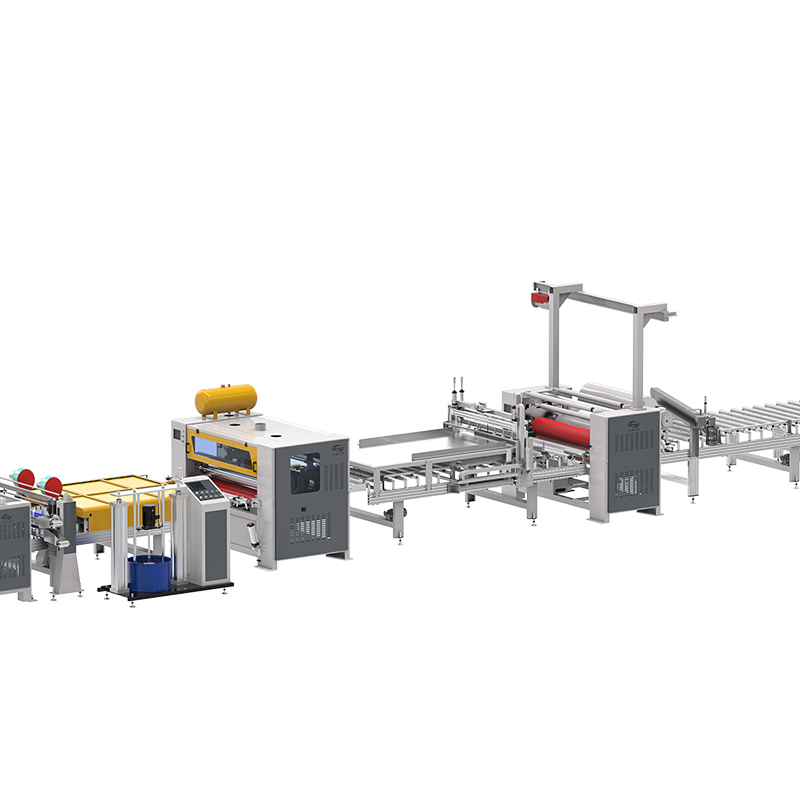
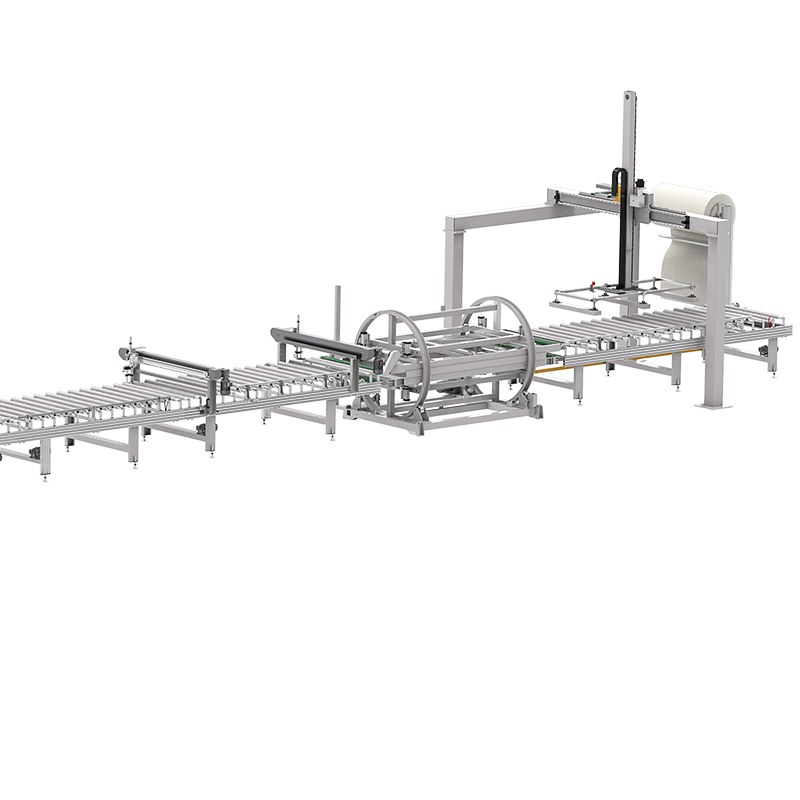
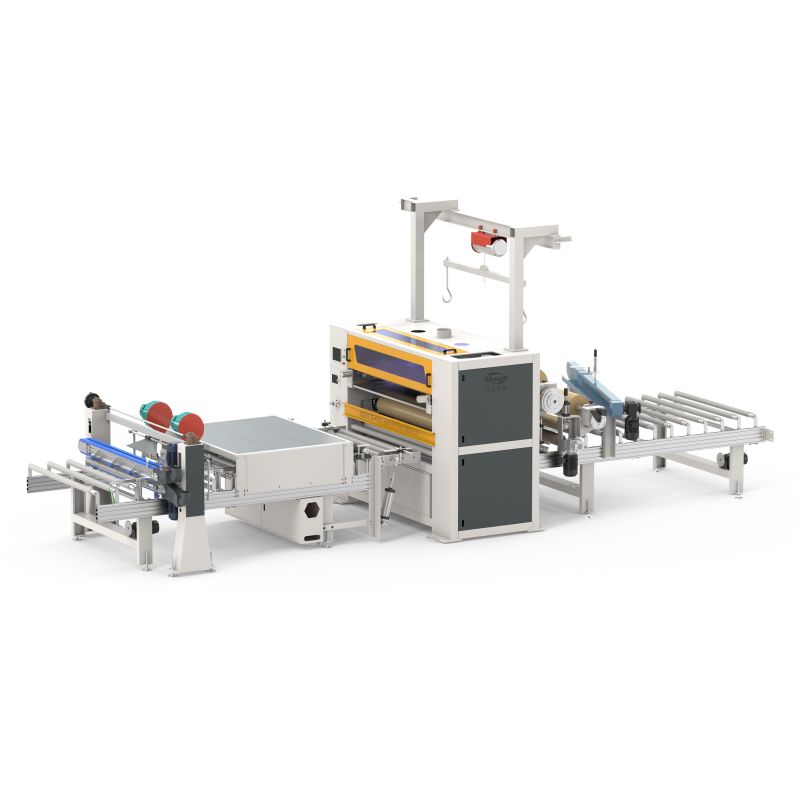
This is a professional piece of equipment that uses PUR (moisture-curing reactive polyurethane) hot melt adhesive to bond various surface materials (such as PVC film, PET film, wood veneer, acrylic sheets, fireproof panels, etc.) onto flat panel substrates (such as MDF, particleboard, honeycomb panels, etc.). The PUR adhesive used offers extremely high bonding strength and, after curing, exhibits excellent resistance to high and low temperatures, water resistance, and environmental friendliness.
As modern manufacturing demands increasingly stringent requirements for product surface decoration effects, environmental performance, and production efficiency, the application of PUR laminating machines has long since expanded beyond traditional furniture manufacturing. Here are the main application industries, categorized for clarity:
1. Furniture Manufacturing & Home Products Industry
This is the most core and traditional application area for PUR laminating machines. It helps furniture companies achieve efficient and environmentally friendly large-scale production, particularly meeting the huge market demand for "lacquer-free" processes.
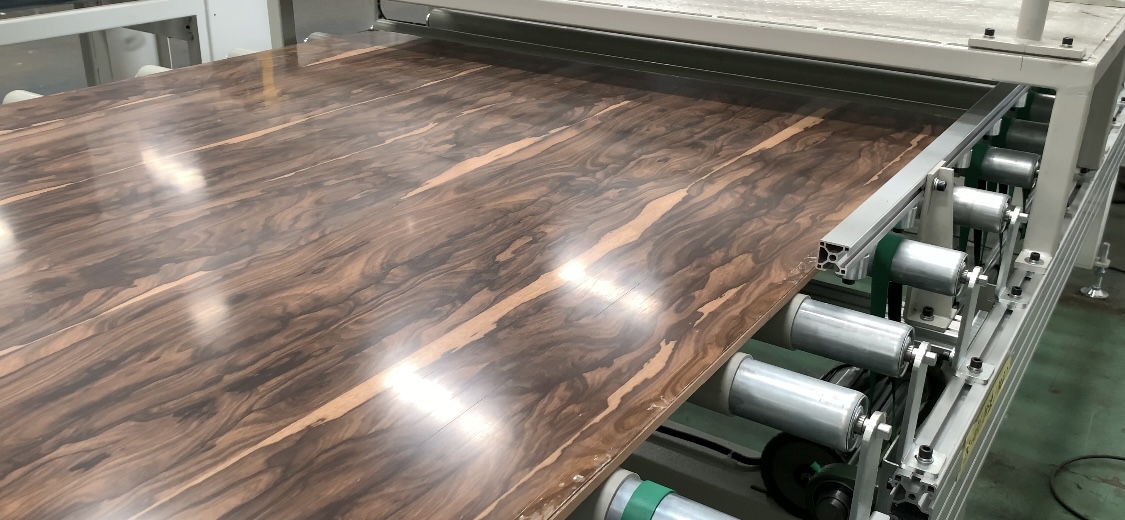
Panel Furniture & Cabinetry: Mainly used for producing cabinet bodies and doors for wardrobes and kitchen cabinets. High-gloss acrylic, PVC film, PET film, etc., can be directly laminated onto MDF or particleboard. This not only provides diverse aesthetics but also completely replaces traditional painting processes, achieving environmentally friendly, pollution-free operations.
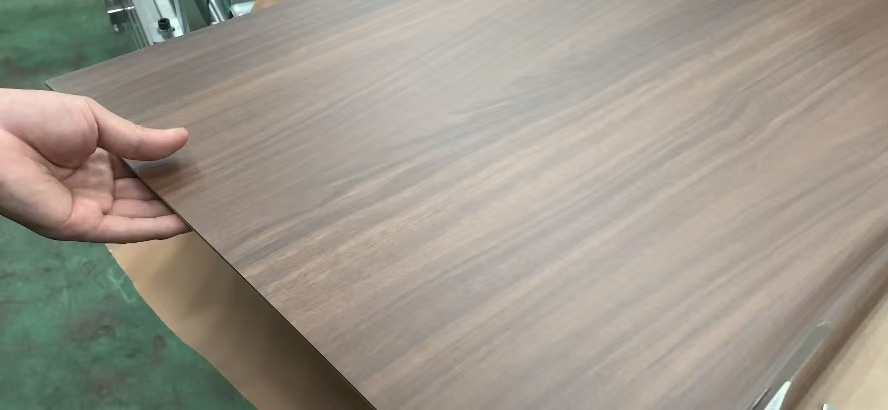
Wood Door Manufacturing: Used for producing lacquer-free doors. By laminating wood veneers or decorative films onto door panels, manufacturers can simulate the texture of solid wood while improving production efficiency and product consistency. Well-known door companies like TATA Wooden Doors and Mengtian Home utilize such production lines.
Decorative Panels: Used for making various high-end decorative panels. For example, in speaker factories, using a PUR laminating machine to apply wood veneer or PVC finishes ensures an attractive appearance and good sealing of the cabinet.
2. Composite Materials & Special Panel Processing
The strong material adaptability of the PUR laminating machine gives it a key role in processing various composite materials.
Foam Material Lamination: Suitable for bonding surface materials to foam boards (e.g., PVC foam board, PS foam board), used for making advertising display boards, decorative profile substrates, etc.
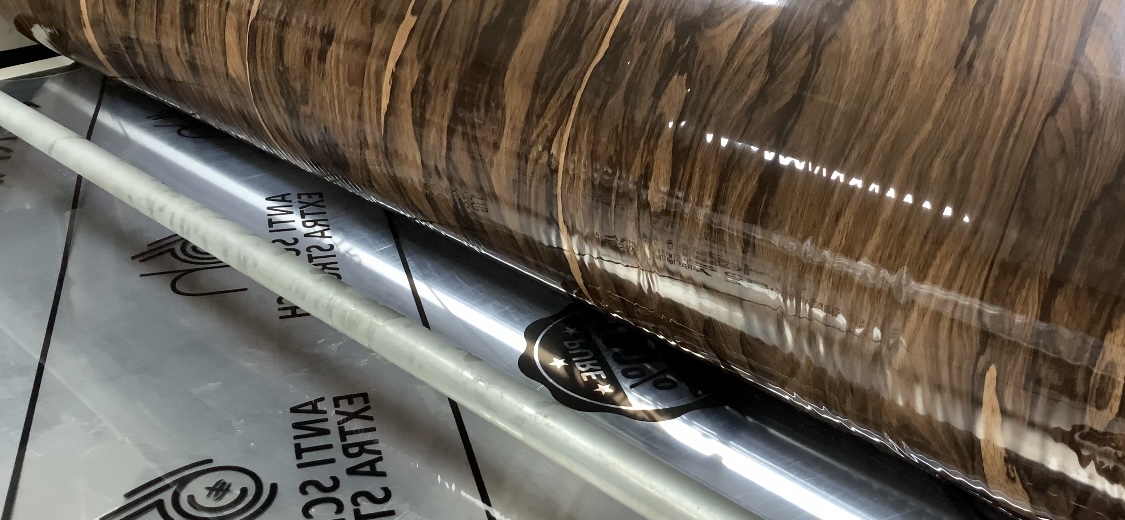
Metal & Non-Metal Lamination: For example, laminating aluminum foil or metal sheets directly onto panels to produce composite materials with special reflective, thermal, or decorative functions.
3. New Building Materials & Prefabricated Decoration Industry
In the architectural decoration field, PUR laminating machines are used to produce large, durable building components. The waterproof and weather-resistant properties of the adhesive are particularly crucial here.
Interior Wall Panels: Used for producing wood-veneer wall panels, metallic-look wall panels, etc. Through the PUR lamination process, materials with different textures (like fabric or wood grain) can be bonded to wall panel substrates, achieving fast and aesthetically pleasing wall decoration effects.
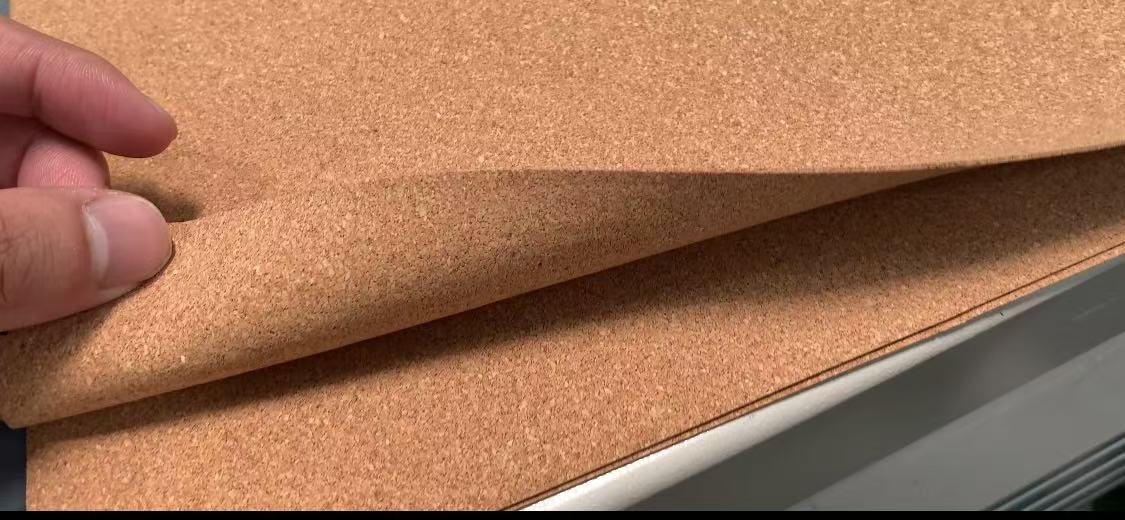
Fireproof Panels & Honeycomb Panels: In lightweight but high-strength building applications, metal sheets or fireproof panels are often laminated onto honeycomb core panels. The strong bond of the PUR adhesive ensures the structural stability and fire resistance of the composite panel.
4. Modern Customization & Intelligent Production
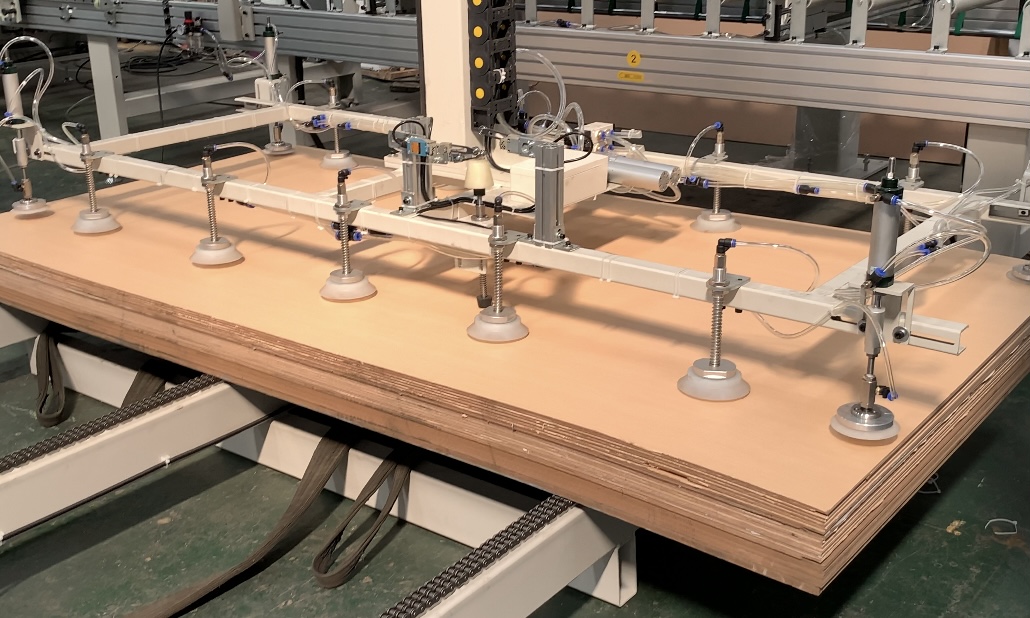
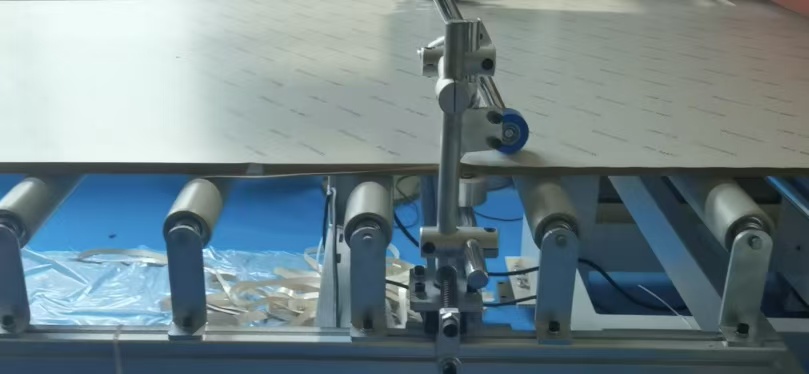
With the advent of Industry 4.0, PUR laminating equipment now integrates more intelligent features to adapt to customized production needs. For example, combined with automatic feeding, electrostatic dust removal, automatic cutting, and stacking systems, they can be seamlessly integrated into smart factory assembly lines, meeting the flexible production requirements of customers in different industries.
5. Transportation & Equipment Manufacturing
Vehicle Panels: Used for laminating films on truck and RV interior panels, providing aesthetics, wear resistance, and easy cleaning.
Specialized Equipment Housings: Such as medical equipment housings, laboratory countertop panels, etc., where functional surfaces like compact laminates or chemical-resistant panels are bonded using PUR lamination technology.
Summary:
With its excellent lamination quality and wide material adaptability, the PUR laminating machine is actively used in various industries, including furniture manufacturing, architectural decoration, and composite material processing. It not only enhances the "surface quality" of products but is also a key piece of equipment driving traditional manufacturing towards efficiency, environmental friendliness, and intelligent upgrades.
| Main Application Area | Typical Products/Scenarios | Core Advantages |
| Furniture Manufacturing | Cabinet doors, lacquer-free wood doors, decorative panels | Enables lacquer-free processes, improves production efficiency and product appearance |
| New Building Materials | Interior wall panels, fireproof honeycomb panels | Ensures structural stability of panels, excellent waterproofing and weather resistance |
| Composite Materials | Foam material lamination, metal & non-metal lamination | Strong material adaptability and bonding power, meets diverse functional needs |
| Transportation | Vehicle interior trim panels, specialized equipment housings | Provides wear-resistant, easy-to-clean, and aesthetically pleasing surface solutions |
| Smart Manufacturing | Customized flexible production lines, automated factories | Seamlessly integrates into smart assembly lines for efficient, precise automated production |
